

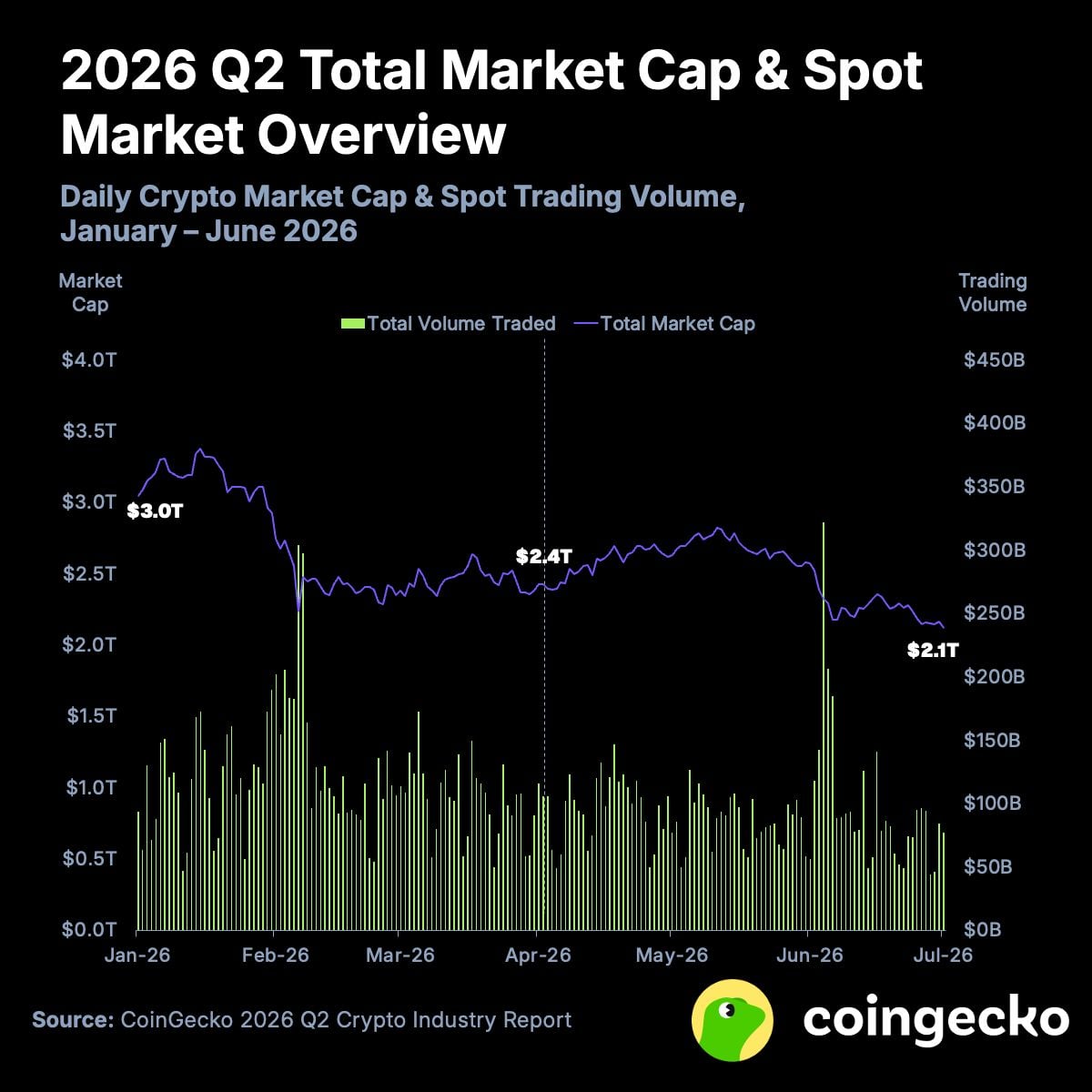
The crypto market has remained on a downward trend since the October 10 crash, despite brief recovery phases. For example, by the beginning of 2026, the total market cap had risen and was traded at over $3 trillion. However, as the second quarter progressed, the market fell sharply.
Although April was one of the strongest months of the year, it was also the beginning of the sharp decline. Crypto hacks also contributed to the downward trend, peaking in April. Currently, Bitcoin (BTC)’s total market cap, trading volume, and market structure indicate that further troubles may be ahead.
Decrease in total market cap, spot volume and stablecoin limit
According to CoinGecko, the total crypto market reached approximately $2.1 trillion in the second quarter of the year (Q2), with a loss of approximately 12.6% in capitalization. But from a broader perspective, the cap has fallen by more than 52% from its peak of over $4 trillion in October 2025.
In addition to the lost capital, total spot transaction volume decreased by 20.9% quarterly to around $93.10 billion. June saw the highest single-day volume, but was on the selling side as the market cap fell from approximately $2.60 trillion to $2.10 trillion.
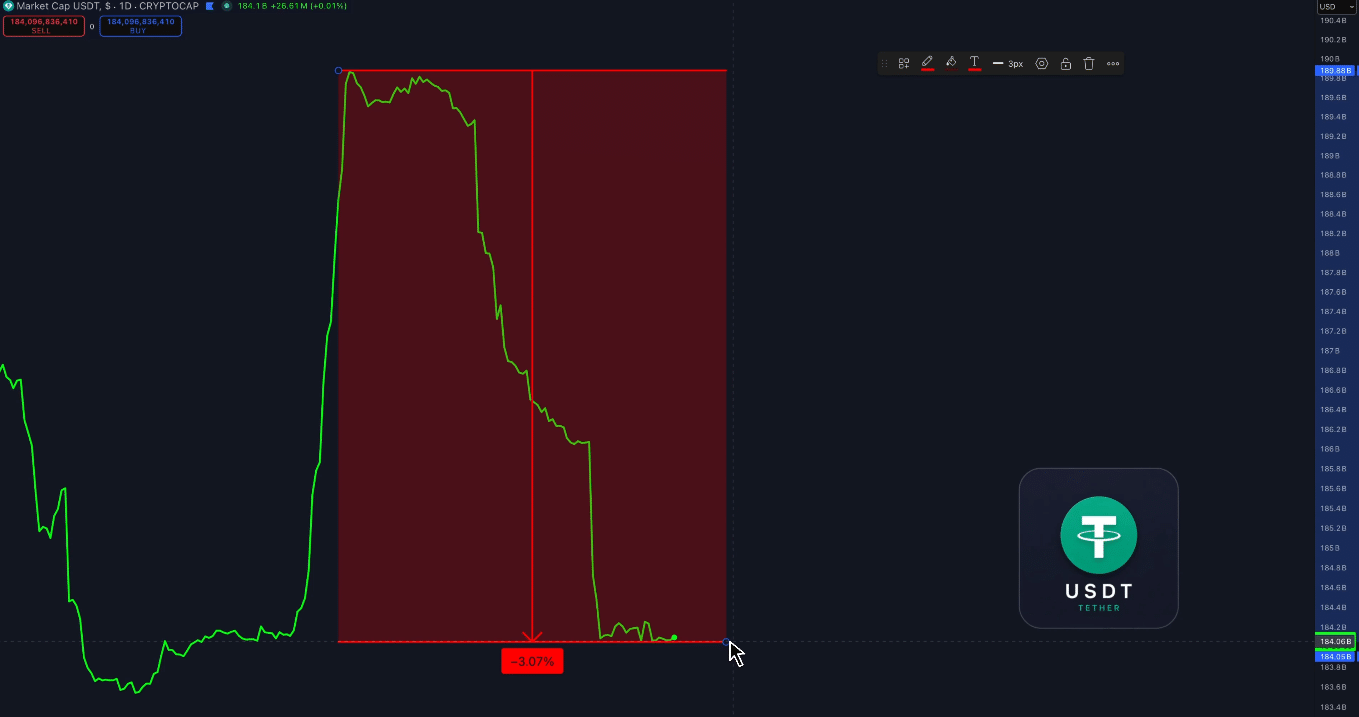
Moreover, purchasing power and new investors’ interest in crypto have also decreased. Generally, stablecoins are used to expose new investors to crypto, buy them and make a profit.
Therefore, the market cap of all stablecoins fell by 3% after falling from $189 billion to $184 billion, with a loss of over $5 billion. USDT in particular took the biggest hit.
Therefore, these data points suggest that further declines can be expected in crypto, where even purchasing power is now diminishing.
Is the Bitcoin market structure a reflection of what to expect?
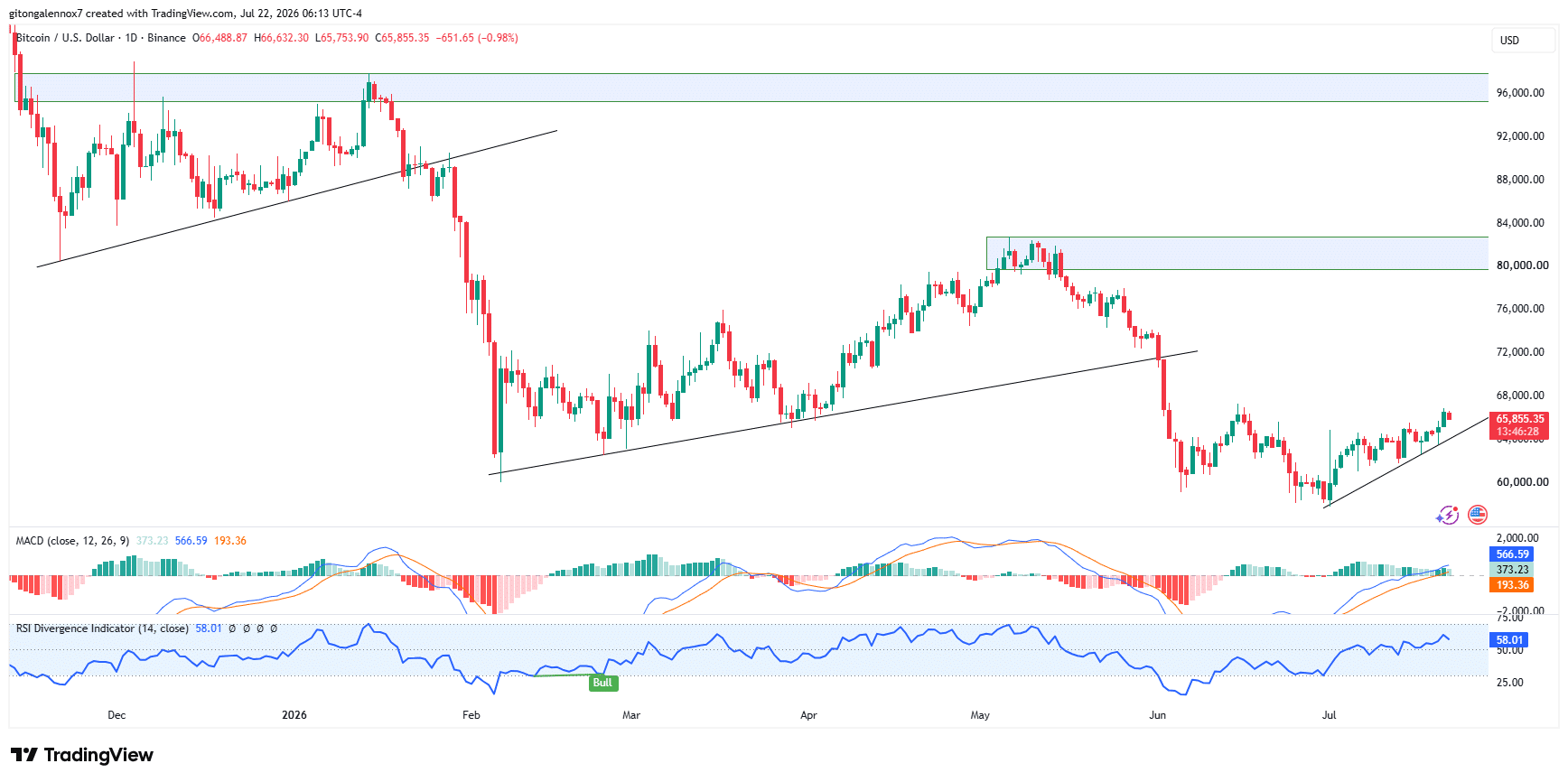
Technically bitcoin market structure strengthened this prediction. BTC price has broken all trendline support that has formed lower highs since last October.
With the new trend, BTC is more likely to break the last trend line. The effect of this will be to push the entire crypto market even lower as BTC determines market sentiment for the entire sector.
Looking at other financial markets, more bearish signals were emerging.
For example, KOSPI in Korea lost 5.24%The equivalent of $250 billion since the day’s high. Additionally, a 2.4% decline in Japan’s Nikkei wiped out more than $210 billion.
However, these measurements do not guarantee that there will be further decline. Crypto and financial markets tend to pivot upward during capitulation periods like this. Additionally, the volume crunch signals low volatility, which signals a potential uptrend.
Final Summary
- The total value of the cryptocurrency market fell 12.6% in the second quarter and volume fell 20.9% quarterly, while stablecoin value fell 3%.
- Bitcoin’s market structure suggests a more bearish trend for the cryptocurrency alongside Asia’s stock market decline.



