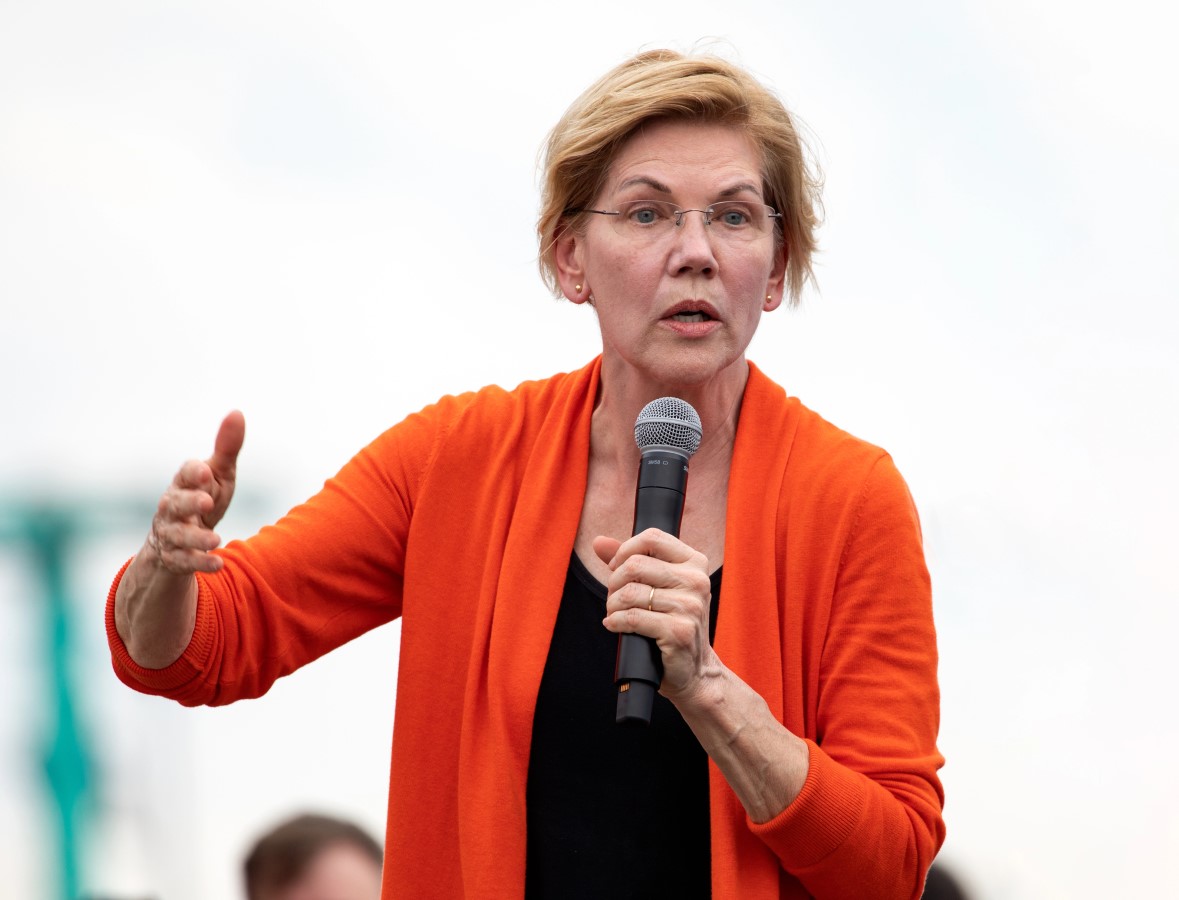
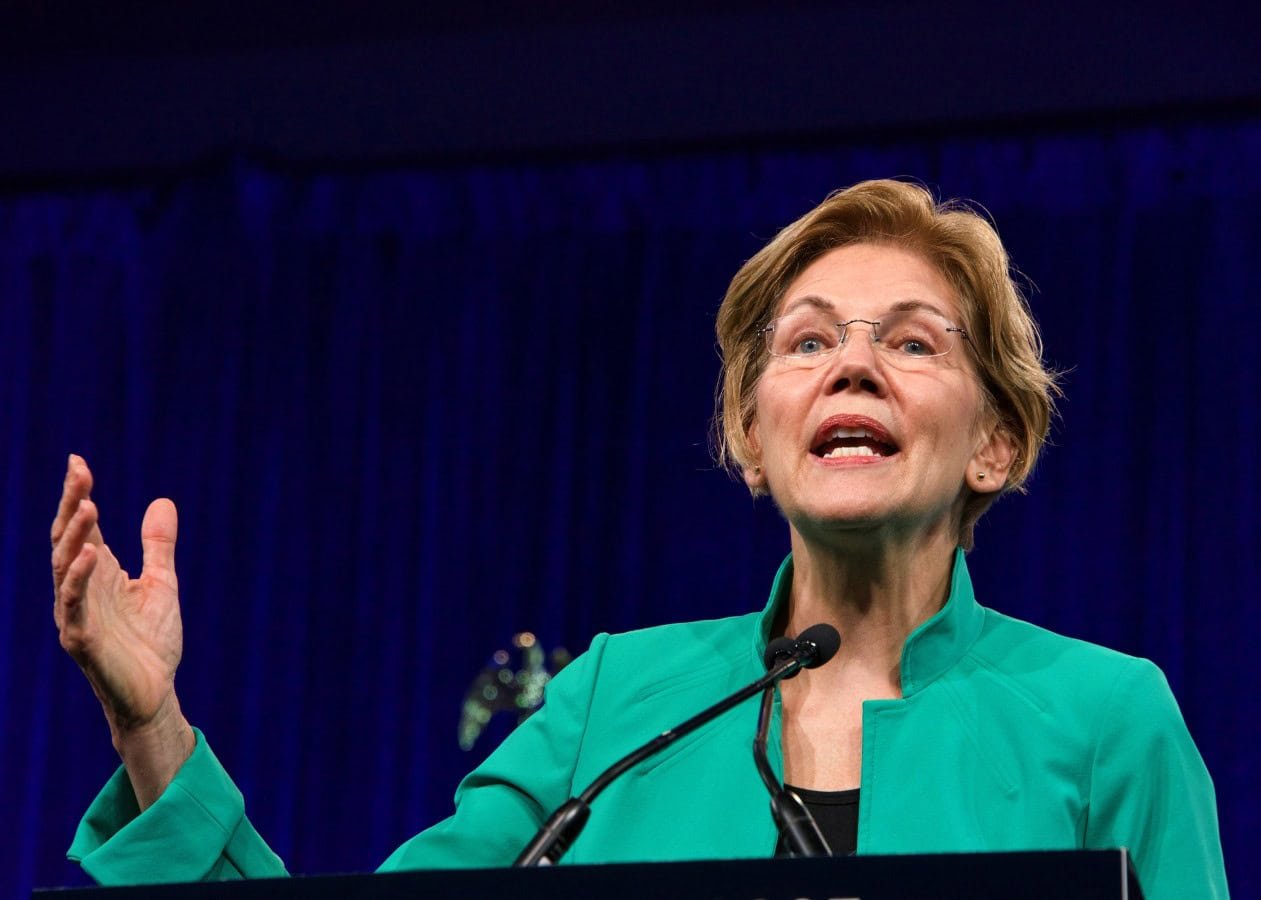
Sen. Elizabeth Warren stepped up her scrutiny of new Fed Chair Kevin Warsh on Friday, sending a letter to him requesting details about how he plans to divest more than $100 million in assets before taking office. The move followed a heated Senate Banking Committee hearing in which Warren accused President Donald Trump’s Fed pick of lacking independence and sharply questioned his financial disclosures.
At last week’s hearing. The Massachusetts Democrat, the committee’s ranking member, used his opening questions to challenge both Warsh’s ethics statements and his independence from the White House.
“Donald Trump has made it clear that he does not want an independent Fed,” Warren said. “And he made it clear that you were his sock puppet.”
The contentious exchange underscored the difficult path Warsh faces in winning Democratic support to be nominated to replace Jerome Powell as central bank governor.
Even before the hearing, many Democrats had expressed concerns that Trump wanted a Fed chairman more willing to cut interest rates to further his political agenda. Warren’s line of questioning showed that these fears are at the heart of the confirmation battle.
Financial disclosures remained a central issue
Warsh’s wealth disclosures were one of the biggest flashpoints of the hearing. Senate records showed he had more than $100 million in assets spread across private investment funds and other ventures.
Warren had signaled concerns about whether the disclosures were detailed enough for lawmakers to consider potential conflicts of interest.
He pressed Warsh on whether the public has enough information to evaluate the nature of these holdings and how they would be unraveled if he takes office.
Shares in SpaceX and Polymarket attracted attention
Among the assets disclosed were investments tied to high-profile companies and private ventures, including a stake in Elon Musk’s SpaceX and prediction markets platform Polymarket.
Those holdings have raised concerns that Warsh’s financial portfolio is unusually large and complex for a candidate trying to run the nation’s central bank.
Critics have argued that such investments should be specifically disclosed because Fed decisions could affect markets across the economy.
Warsh promises large-scale divestiture plan
Warsh said he agreed to divest “nearly all” of the assets within 90 days of confirmation and before taking the oath of office.
Such divestitures are common for top economic officials to avoid conflict while in government service. But Warren disputed whether her commitments were specific enough and whether the process was fully explained.
“It is very important that the next president has no financial disputes, if at all,” he said.
Beyond ethical questions, Warren sought examples of where Warsh might disagree with Trump’s economic agenda or resist political pressure on monetary policy.
The issue of Fed independence loomed over the candidacy because Trump has repeatedly called for lower interest rates and criticized current Chairman Jerome Powell.
Lawmakers from both parties said the next Fed leader should preserve the agency’s credibility by making decisions free from political interference.
Warsh avoids direct split with president
Warsh did not directly offer a concrete example when Warren asked whether she agreed with any components of Trump’s economic program.
“The Federal Reserve has stepped outside its mandate in recent years,” he said. “This is not something I’m ready to do.”
His response is unlikely to reassure Democrats who are looking for evidence that he would act independently if confirmed.
Wall Street ties reassure some Republicans
While Democrats focused on conflict and independence, Warsh’s supporters pointed to his experience as a former Fed governor and his relationships with major investors and financial leaders.
Some Republican lawmakers saw that background as evidence that he understood markets, monetary policy and central bank mechanisms.
This split suggests that the ratification fight will depend less on qualifications and more on questions of trust and independence.
Broader Fed leadership battle continues
Warsh’s nomination comes at a tumultuous time for the Federal Reserve, with Jerome Powell nearing the end of his term as chairman and ongoing disagreements over the agency’s direction.
While Trump has made no secret that he wants borrowing costs to be lowered, many policymakers remain cautious due to inflation risks and global instability.
This background raised the stakes of the hearing beyond a candidate’s financial situation.
Warsh entered the hearing with significant credentials and strong support from Republicans, but Warren’s aggressive questioning suggested Democrats were unlikely to support her without clearer answers.
As Warsh moves closer to taking control of the Federal Reserve, the fight over his financial assets and independence from President Donald Trump is unlikely to end.
Warren’s last letter requesting details about her life presence The selloff signaled that Democrats intend to continue pressuring the new Fed chairman on whether he can run the central bank without potential conflicts of interest and political influence.
Did you enjoy the Financial Freedom Countdown content? Be sure to followS!

John Dealbreuin came to the United States from a third world country without knowing anyone and with only $1,000; Guided by an immigrant dream. He reached his retirement number in 12 years.
he started Financial Freedom Countdown helping everyone think differently about financial challenges and live their best life. John lives in the San Francisco Bay Area and enjoys hiking and weight training.
Here are the tools he recommends
Personal Capital: This is a free tool that John uses to keep track. net worth regularly and retirement planner. He also warns her about hidden fees and budget tracker including.
Platforms like Yield Street offer investment options art, legal, real estate, structured notes, venture capitaletc. They also have fixed income portfolios that span multiple asset classes with a single investment. Low minimums of $10,000.