

President Donald Trump signed an executive order Thursday aimed at expanding retirement savings opportunities for millions of Americans who currently lack access to employer-sponsored plans. The move aims to connect workers without workplace retirement benefits to private sector accounts while also offering up to $1,000 in matching federal contributions to eligible low-income savers.
The administration says the initiative fulfills a promise Trump made earlier this year to strengthen retirement security and make savings tools more widely available beyond employees employed by large corporations or the federal government.
New plan targets workers without employer retirement benefits

The executive order focuses on Americans whose employers do not offer retirement plans such as 401(k)s or pensions. Millions of workers, especially those working in small businesses or low-wage jobs, currently do not have a payroll-based retirement savings option.
Under the new framework, these workers would be directed to private retirement accounts through a new federal portal and given access to incentives already approved by Congress.
The Treasury Department will launch a website called TrumpIRA.gov where employees can participate in private sector retirement plans. The platform is expected to offer diversified, index-based investment options similar in concept to the Thrift Savings Plan offered to federal employees, according to management.
The site is also expected to provide information about eligibility for federal matching contributions and provide guidance for charitable donors who may wish to contribute to employee accounts.
Saver’s Match provides up to $1,000 annually

A key feature of the initiative is Saver’s Match, created under the SECURE 2.0 Act passed in 2022. Starting in 2027, eligible low-income workers will be able to receive a 50% refundable federal match of up to $2,000 in annual retirement contributions.
This means that sufficient savers can receive up to an additional $1,000 per year into their retirement accounts if they contribute enough of their own money.
Income limits define who qualifies

Current eligibility thresholds cited in the reports indicate that all aid will apply to individuals earning less than $35,500 annually or couples earning less than $71,000. The administration has also said it will seek future congressional approval to expand access to middle-income workers and beyond.
Because the match depends on personal contributions, workers must first deposit their own money into eligible retirement accounts to receive federal funds.
Trump called the move “historic” and “revolutionary”

Trump praised the decision during the signing ceremony, saying that the administration has opened retirement opportunities to millions of Americans who have not been able to access retirement for a long time.
“I am thrilled to sign a historic executive order expanding access to high-quality retirement savings accounts for millions of Americans,” Trump said.
He also called the initiative “revolutionary,” adding that it would give low-income workers “access to the same type of retirement accounts that federal employees enjoy through Federal Savings Plans; This is incredible, as part of the federal Saver’s Match program.
Experts say retirement access gap is significant

Supporters of the movement note that access to retirement plans remains a major challenge across the United States. According to AARP, approximately 56 million Americans do not have access to a retirement plan through their employer.
Approximately 27 million workers who qualify for Saver’s Match do not currently have a plan to use the benefit.
Retirement experts see the inclusion of 56 million workers in an account with a true federal match as the largest potential expansion of retirement coverage since Social Security.
AARP data shows that small employers, in particular, are less likely to offer retirement benefits. 78 percent of businesses with fewer than 10 employees do not offer an employer-based retirement plan.
Access gaps also disproportionately impact minority workers. AARP found that nearly 63 percent of Hispanic workers, 52 percent of Black workers and 44 percent of Asian-American workers do not have access to an employer-sponsored retirement plan.
Affordability remains biggest hurdle, critics say

Some analysts welcomed the broader access but questioned whether the policy alone would significantly increase retirement savings.
“Expanding enrollment in retirement accounts for workers without employer plans seems like a good thing,” said Romina Boccia, director of budget and entitlement policy at the Cato Institute.
“Eligibility is very limited; the full match is only available to low-income workers… and individuals must contribute their own money to receive it,” Boccia said. “For many households living paycheck to paycheck, this is a significant barrier.”
Retirement savings remain low nationwide

The initiative comes as many Americans remain financially unprepared for retirement. A recent study from the National Institute on Retirement Security revealed the average amount American workers save for retirement; including those who have no savings; It was only $955.
This figure underlines how limited emergency reserves and rising costs of living can dwarf long-term savings for many households.
The retirement debate is also shaped by concerns about the long-term financing of Social Security. Without congressional action, current estimates show the program would face bankruptcy in 2032, potentially leading to benefit cuts of about 24%.
Since the average Social Security check is just over $2,000 per month, many retirees rely heavily on the program as their primary source of income.
What happens next?

The executive order begins administrative implementation, but some key details remain unresolved, such as how matching funds will be funded and how auto-enrollment features can be configured.
Supporters say the plan, if implemented effectively, could be a meaningful step toward expanding retirement coverage. Critics argue that broader affordability pressures and Social Security reform still need to be addressed for long-term retirement security.
Did you enjoy the Financial Freedom Countdown content? Be sure to follow us!
14 essential strategies to maximize your Social Security and avoid costly mistakes
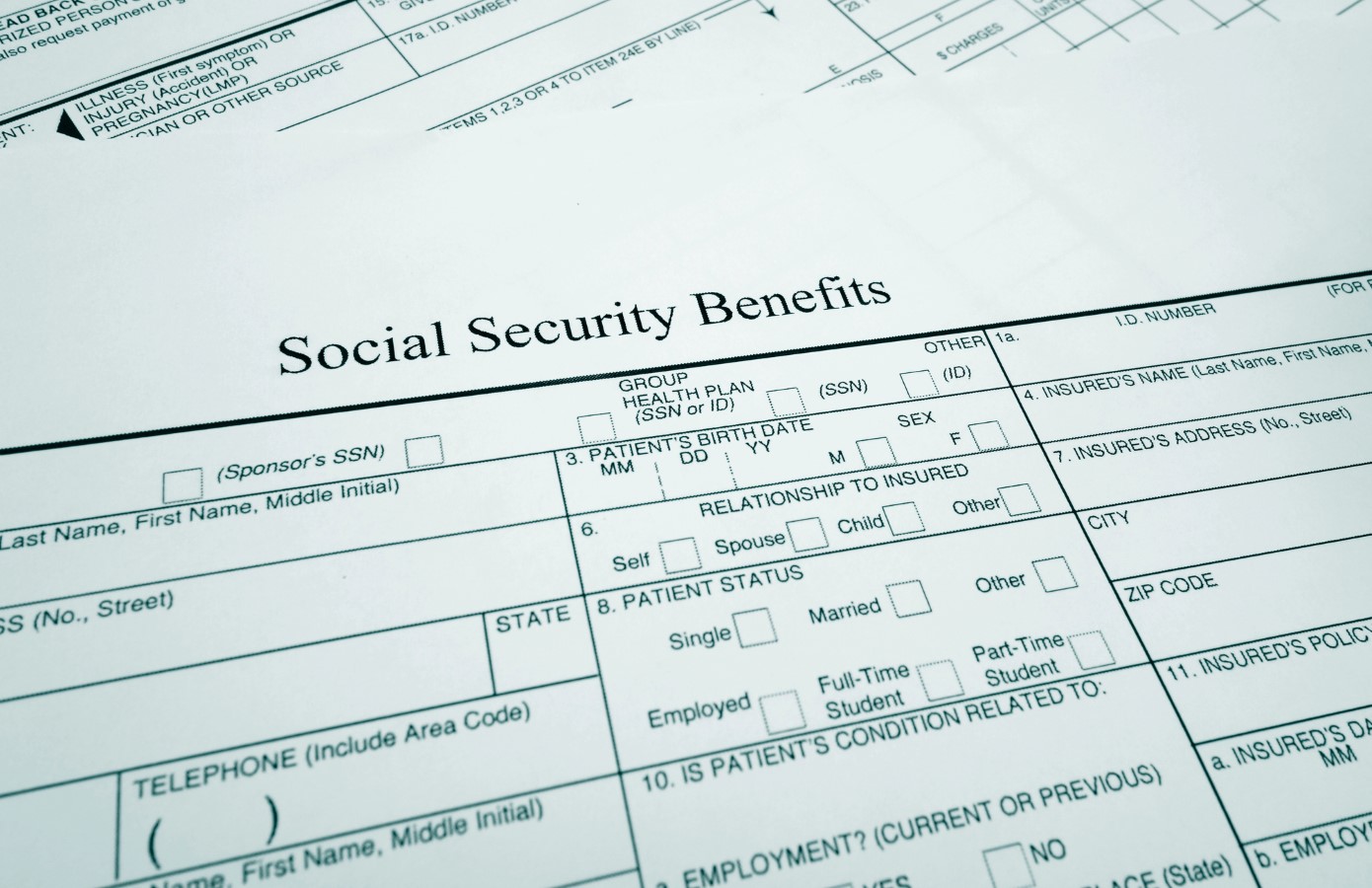
Social Security is a vital lifeline for many seniors, providing significant income support during retirement. At a time when inflation is at its highest level in four decades, Social Security’s inflation-adjusted benefits provide protection against rising costs.
Rising interest rates have disrupted many retirement portfolios and caused bond fund values to decline. In this volatile financial environment, Social Security can stabilize a typical stock-bond retirement portfolio. By implementing smart strategies, retirees can maximize their Social Security benefits and ensure a more secure financial future.
14 Essential Strategies to Maximize Your Social Security and Avoid Costly Mistakes
11 reasons to claim Social Security early

Deciding when to claim Social Security is often about maximizing your benefits. Financial planners generally recommend delaying your request for as long as possible to secure the highest monthly payment. Your benefit is based on your lifetime earnings, with full payout available at your full retirement age (FRA); this age is currently between 66 and 67 years old, depending on your year of birth. Claiming before FRA will result in a permanent decrease in your monthly earnings, while waiting after FRA will result in a permanent increase. But the decision isn’t just about maximizing the monthly check. Personal factors such as health, family circumstances and financial needs can play an important role in determining the right time to make a claim.
11 Reasons to Apply for Social Security Early

Did you find this article helpful? We’d love to hear your thoughts! Leave a comment and share your thoughts in the box on the left side of the screen.
Also, would you like to be informed about our latest content?
1. Follow us by clicking the (+Follow) button above,
2. Give a Like to the article in the upper left corner of the screen.
3. And finally, if you think this information would benefit your friends and family, feel free to share it with them!

John Dealbreuin came to the United States from a third world country without knowing anyone and with only $1,000; Guided by an immigrant dream. He reached his retirement number in 12 years.
he started Financial Freedom Countdown helping everyone think differently about financial challenges and live their best life. John lives in the San Francisco Bay Area and enjoys hiking and weight training.
Here are the tools he recommends
Personal Capital: This is a free tool that John uses to keep track. net worth regularly and retirement planner. He also warns her about hidden fees and budget tracker including.
Platforms like Yield Street offer investment options art, legal, real estate, structured notes, venture capitaletc. They also have fixed income portfolios that span multiple asset classes with a single investment. Low minimums of $10,000.