

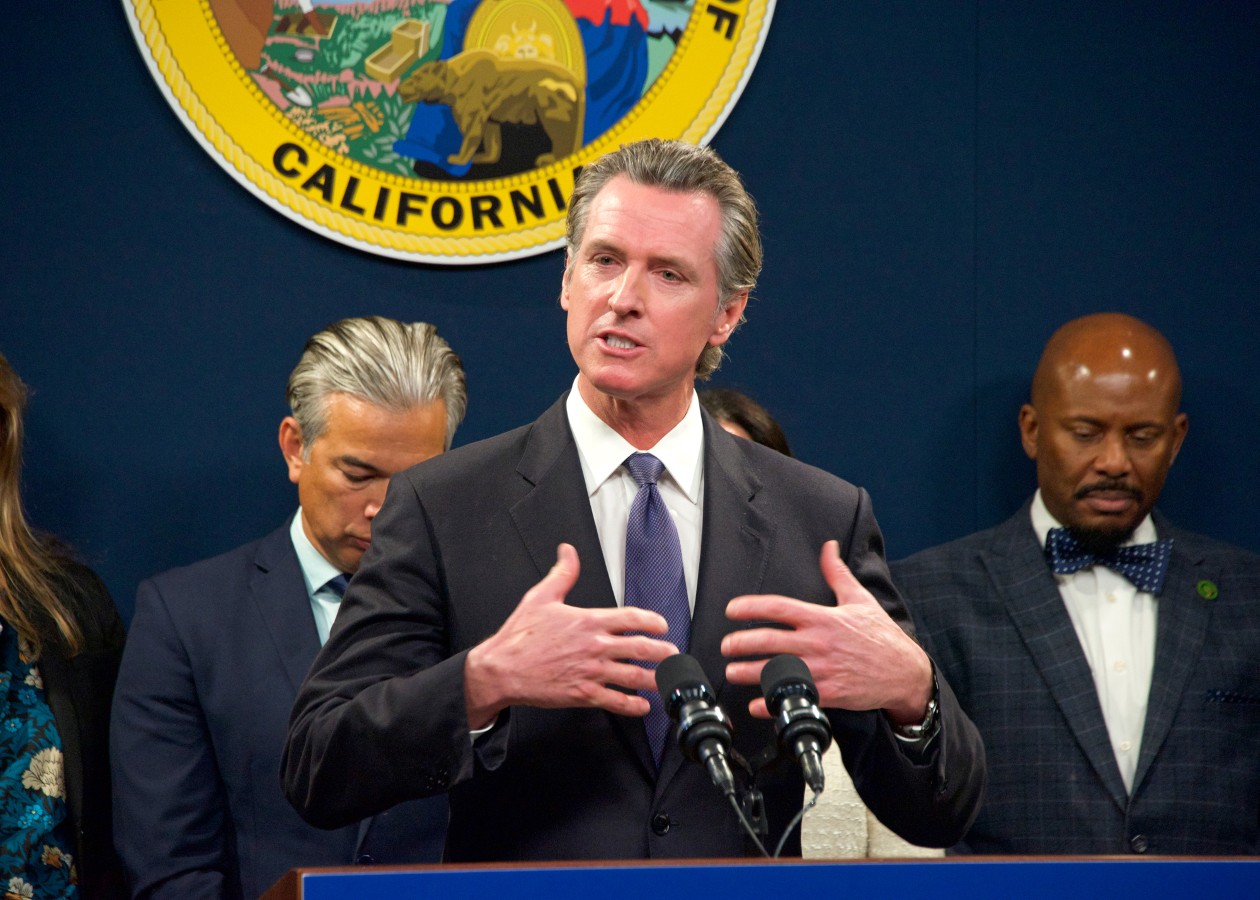
A social media post from Gavin Newsom’s press office about The statement quickly came under scrutiny after a community note cited California’s own energy data.
“The State of California collects more in taxes than refineries like Chevron, Shell, or Valero make profits per gallon,” according to the memo, undermining the narrative that oil companies’ profits are the primary reason for high prices.
USOGA withdraws Khanna’s accusation about Middle East conflict

The US Oil and Gas Association also harshly criticized Ro Khanna for linking rising gas prices to tensions in the Middle East. Khanna argued that “Trump’s immoral and reckless war on Iran has driven gas prices in my area to almost $6 per gallon” and pointed to global conflict as the main reason.
USOGA denied this claim, saying it was California’s policies; not geopolitics; They are largely responsible for the state’s persistently high fuel costs.
In direct response, USOGA President Tim Stewart wrote: “High gas prices in your area are not ‘Trump’s war,’ but Sacramento’s doing.” He argued that California drivers face heavy taxes, environmental mandates and regulatory restrictions that raise prices significantly.
The group estimates that these state-funded costs range from $1.00 to $1.78 per gallon above the national average.
A breakdown of California’s high gas costs

California’s gasoline prices are determined by both national and state-level factors. About 45% of the price reflects global crude oil costs and federal taxes, which are consistent across the country.
The remaining 55% comes from California-specific costs, including higher refining and distribution expenses, environmental programs, and state and local taxes added on top of the base price.
A key contributor is California’s unique, cleaner-burning gasoline blend; this adds roughly 10-15 cents per gallon and can only be produced by a limited number of refineries.
Higher labor costs, energy expenses and strict environmental regulations further increase the cost of producing and distributing fuel in the state.
Windfall gains tax debate resurfaces

Khanna called for a windfall profits tax on oil companies, urging lawmakers to “pass my windfall profits tax to Big Oil to give Americans a discount on their gas bills.”
USOGA pushed back, arguing that such policies have historically reduced domestic production and ultimately led to higher prices for consumers.
The group pointed to the 1980 federal windfall tax, arguing that the tax reduced U.S. oil production, increased dependence on imports and generated less revenue than expected before it was repealed.
“Your proposed windfall profits tax will do nothing to provide relief,” Stewart wrote, warning that this would repeat past policy mistakes.
Refinery closures squeeze supply
California has lost about 20% of its refining capacity after the closure of two major refineries in recent years, tightening supply in an already constrained market.
This decline increases the risk of price increases, especially during outages or periods of high demand.
With in-state refining capacity dwindling, California is increasingly relying on overseas refineries, particularly in Asia, to produce its specialty fuel blend.
Transporting fuel across the Pacific increases time, cost and exposure to global supply disruptions and increases variability for California drivers.
No evidence of price increase after investigations

Despite years of accusations from state leaders, investigations have found no evidence of illegal price increases by oil companies. Officials instead point to structural factors such as taxes, regulations and supply constraints.
Industry leaders argue that profit caps and increased surveillance risk are deterring further investment in the California refinery.
California operates as an “energy island” with limited pipeline connectivity to other states. This isolation makes it difficult to quickly import fuel during shortages and increases price fluctuations.
As a result, local outages can have a huge impact on gas prices compared to other parts of the country.
Energy policy conflict mirrors broader debate

The growing disagreement underscores a broader divide over energy policy; Democrats emphasize corporate accountability and consumer relief, while industry groups advocate increased domestic production and less regulation.
As California drivers continue to face the highest gas prices in the country, the conflict between state leaders, federal lawmakers and the energy industry shows no signs of easing.
Did you enjoy the Financial Freedom Countdown content? Be sure to follow us!
14 essential strategies to maximize your Social Security and avoid costly mistakes

Social Security is a vital lifeline for many seniors, providing significant income support during retirement. At a time when inflation is at its highest level in four decades, Social Security’s inflation-adjusted benefits provide protection against rising costs.
Rising interest rates have disrupted many retirement portfolios and caused bond fund values to decline. In this volatile financial environment, Social Security can stabilize a typical stock-bond retirement portfolio. By implementing smart strategies, retirees can maximize their Social Security benefits and ensure a more secure financial future.
14 Essential Strategies to Maximize Your Social Security and Avoid Costly Mistakes
11 reasons to claim Social Security early

Deciding when to claim Social Security is often about maximizing your benefits. Financial planners generally recommend delaying your request for as long as possible to secure the highest monthly payment. Your benefit is based on your lifetime earnings, with full payout available at your full retirement age (FRA); this age is currently between 66 and 67 years old, depending on your year of birth. Claiming before FRA will result in a permanent decrease in your monthly earnings, while waiting after FRA will result in a permanent increase. But the decision isn’t just about maximizing the monthly check. Personal factors such as health, family circumstances and financial needs can play an important role in determining the right time to make a claim.
11 Reasons to Apply for Social Security Early

Did you find this article helpful? We’d love to hear your thoughts! Leave a comment and share your thoughts in the box on the left side of the screen.
Also, would you like to be informed about our latest content?
1. Follow us by clicking the (+Follow) button above,
2. Give a Like to the article in the upper left corner of the screen.
3. And finally, if you think this information would benefit your friends and family, feel free to share it with them!

John Dealbreuin came to the United States from a third world country without knowing anyone and with only $1,000; Guided by an immigrant dream. He reached his retirement number in 12 years.
he started Financial Freedom Countdown helping everyone think differently about financial challenges and live their best life. John lives in the San Francisco Bay Area and enjoys hiking and weight training.
Here are the tools he recommends
Personal Capital: This is a free tool that John uses to keep track. net worth regularly and retirement planner. He also warns her about hidden fees and budget tracker including.
Platforms like Yield Street offer investment options art, legal, real estate, structured notes, venture capitaletc. They also have fixed income portfolios that span multiple asset classes with a single investment. Low minimums of $10,000.