
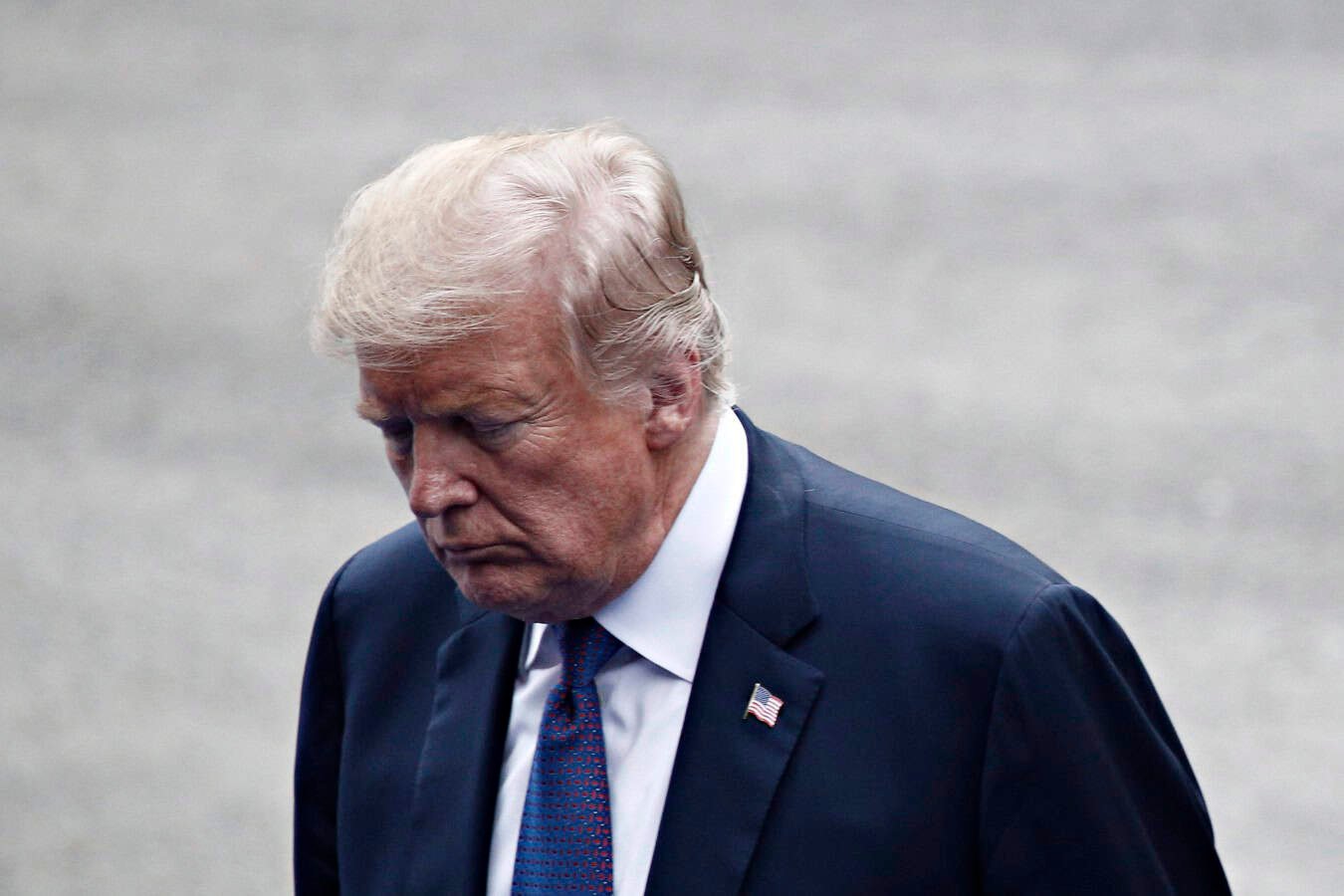
A federal trade court ruled against President Donald Trump’s latest 10 percent global tariffs, dealing another legal blow to a key pillar of his economic agenda. The decision by the US Court of International Trade found that Trump exceeded authority granted under 1970s trade law when he imposed broad tariffs earlier this year.
The ruling comes months after the U.S. Supreme Court struck down a separate Trump tariff program based on emergency powers under the International Emergency Economic Powers Act. Together, the cases represent growing judicial resistance to the administration’s aggressive trading strategy.
Court rejects Trump’s use of 1974 Trade Act

The U.S. Court of International Trade ruled 2-1 that Trump’s tariff order in February was not justified under Section 122 of the 1974 Trade Act. The law allows presidents to impose temporary tariffs for up to 150 days to address serious balance of payments deficits or to prevent imminent devaluation of the U.S. dollar.
The justices concluded that Trump’s order failed to prove that those conditions existed. The court concluded that the administration had not shown evidence of the type of economic emergency contemplated by the law.
Tariffs introduced after Supreme Court failure
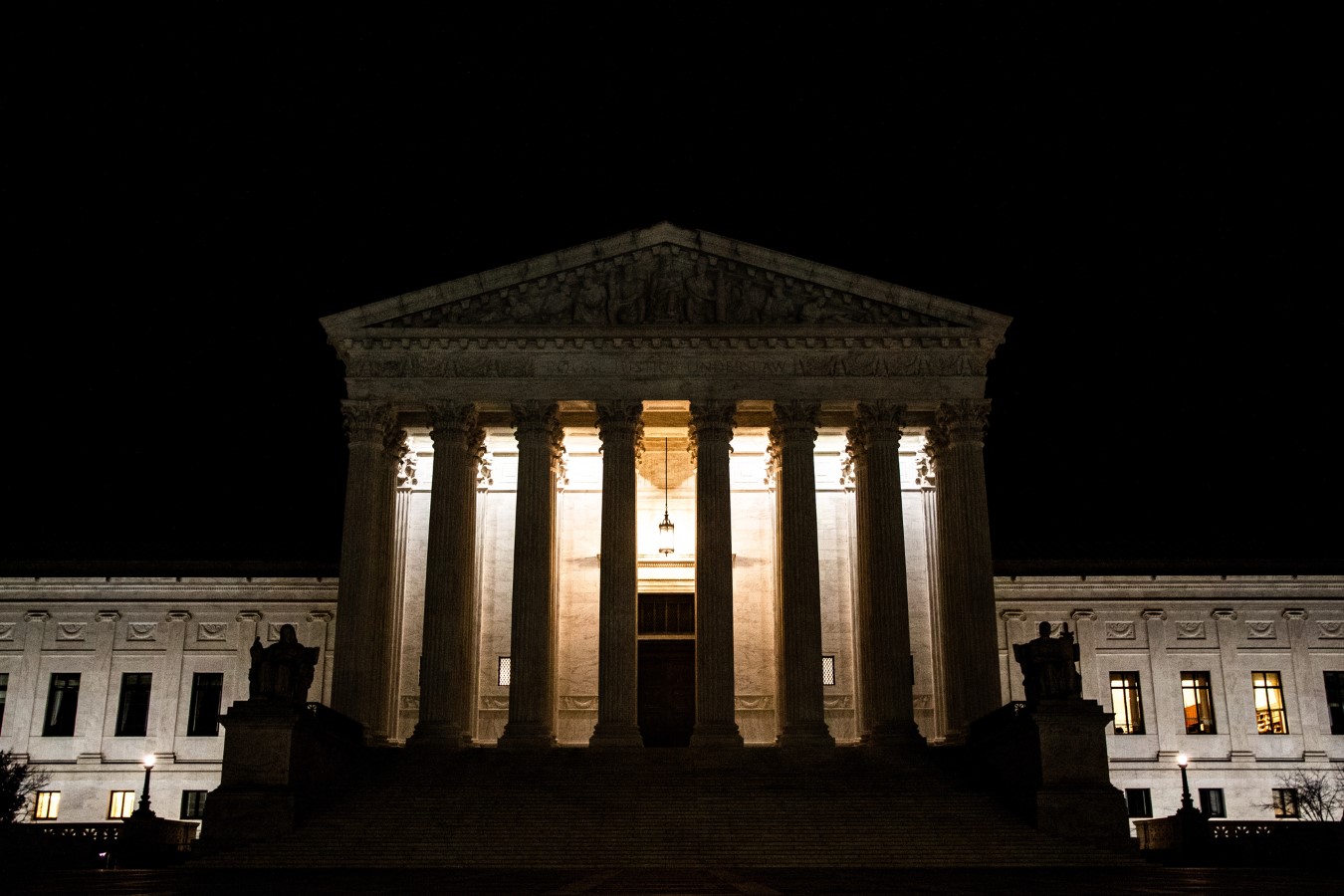
Trump announced his 10% global tariff plan on the same day the Supreme Court invalidated another major tariff initiative. This previous program relied on the International Emergency Economic Powers Act of 1977 to justify sweeping import duties.
The Supreme Court ruled that Trump’s use of emergency powers to enact sweeping tariffs was unconstitutional and significantly limited the administration’s ability to use executive authority to reshape trade relations.
Trump’s tariff order in February applied broadly to imports entering the United States, but some categories were exempt.
Excluded products include beef, tomatoes, oranges, pharmaceuticals, passenger vehicles and some critical minerals. Goods covered by the U.S.-Mexico-Canada trade agreement were also not subject to the 10% surcharge.
These exemptions reflected the administration’s attempts to continue to exert pressure on foreign trade partners while protecting certain industries and strategic supply chains from high import costs.
Small businesses challenged the new tariffs in court, arguing that the administration was trying to evade the Supreme Court’s previous decision by invoking a different law.
Plaintiffs included Florida-based toy company Basic Fun! and New York spice importer Burlap & Barrel. Businesses argued that the tariffs created financial uncertainty and disrupted global supply chains that many American companies rely on.
Although 24 states joined the legal challenge, the court ruled that most of the states did not have the legal standing to sue. As a result, the ruling only blocked the imposition of tariffs for Basic Fun!, Burlap & Barrel, and Washington state.
The limited scope of the decision leaves open the possibility that the tariffs will remain in effect for other importers unless additional legal action is successful.
The court’s decision was not unanimous. A judge dissented, arguing that it was premature to grant victory to the employment plaintiffs at this stage of the case.
The split decision underscores ongoing disagreement over how broadly the president’s trade powers can be interpreted during times of economic stress.
Trump administration defends tariffs using trade deficit data
The Trump administration has argued that the United States faces a serious balance of payments problem due to an annual goods trade deficit of $1.2 trillion and a current account deficit roughly equal to 4 percent of GDP.
Administration officials have argued that the tariffs are necessary to stabilize America’s economic position and strengthen competitiveness in domestic manufacturing.
But economists and trade lawyers have questioned whether the country faces the kind of immediate financial crisis required by the Trade Act.
Critics of the tariffs have argued that the United States is not on the brink of a balance of payments emergency or a rapid collapse of the dollar.
Trade experts said the administration’s interpretation of the law extends far beyond the way Section 122 has been used historically. This legal vulnerability became a central issue in the court’s decision.
The judges ultimately ruled that the administration did not adequately demonstrate the legal requirements needed to justify the tariffs.
Basic Fun! Win decision calls for producers

Basic Entertainment! CEO Jay Foreman welcomed the court’s decision and said it would provide necessary certainty for businesses operating in global markets.
“This decision is a significant win for American companies that rely on global manufacturing to deliver safe and affordable products. Illegal tariffs make it difficult for businesses like ours to compete and grow,” Foreman said in a statement.
“We are encouraged that the court recognized that these tariffs exceed the President’s authority. This decision brings needed clarity and stability for companies navigating global supply chains,” he said.
Trump signals he may pursue alternative tariff strategies
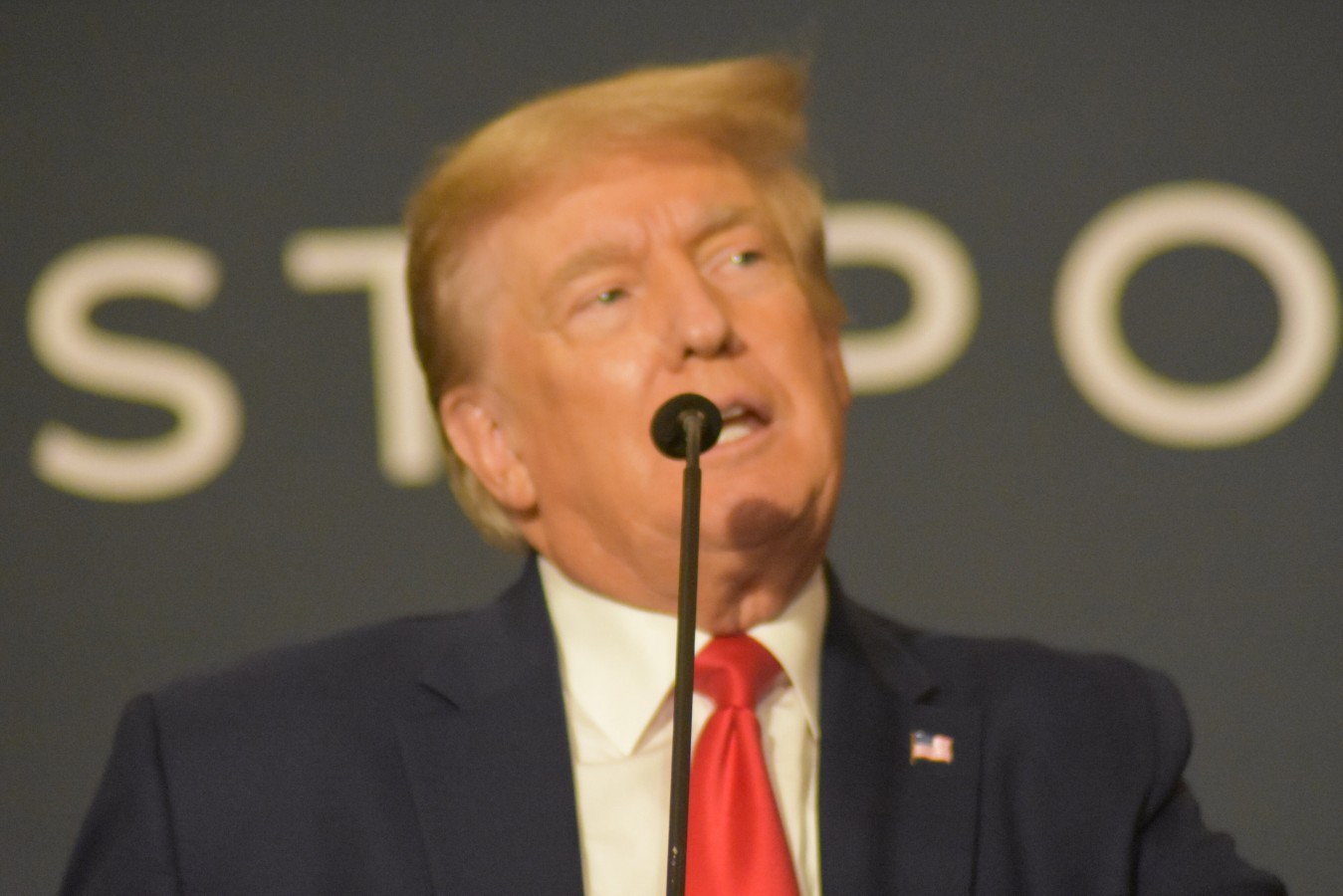
Trump suggested that the administration would continue to impose the tariffs despite the legal defeat.
“Nothing about the courts surprises me. Nothing surprises me,” Trump said May 7 when asked about the court decision. “So we always do it a different way. We make a decision and we do it a different way.”
The statements suggest the administration may seek alternative legal means to continue imposing trade barriers.
Tariffs have become one of the defining features of Trump’s second-term economic platform. The president has repeatedly argued that import tariffs are necessary to ensure better trade deals, protect U.S. industries and reduce dependence on foreign manufacturing.
Trump has also used tariffs as leverage in broader geopolitical and economic negotiations with major trading partners.
The latest decision raises new questions about how much authority future presidents will have to impose broad tariffs without congressional approval.
Did you enjoy the Financial Freedom Countdown content? Be sure to follow us!

Medicare beneficiaries could see Part B premiums nearly double over the next decade, according to a new report from the Senate Joint Economic Committee; This could put new pressure on retirees who are already struggling with inflation and rising medical bills. The warning comes as Medicare Part B premiums, Medigap supplement plan costs and other out-of-pocket expenses continue to rise faster than many Social Security cost-of-living adjustments, reducing the real value of monthly retirement checks for millions of Americans.

Medicare Advantage could be headed for one of the biggest shakeups in years as insurers warn the popular extra benefits could be cut next year and lawmakers consider a bipartisan reform bill. The combination of tighter oversight in Washington and tighter insurance budgets could impact tens of millions of older Americans who rely on private Medicare plans. The proposed Medicare Benefits Enhancement Act of 2026 would increase consumer protections, shorten prior authorization periods and limit plan practices that critics say delay care. At the same time, insurers including Humana have signaled that lower-than-expected government payment increases could lead to cuts in additional benefits in 2027.

Did you find this article helpful? We’d love to hear your thoughts! Leave a comment and share your thoughts in the box on the left side of the screen.
Also, would you like to be informed about our latest content?
1. Follow us by clicking the (+Follow) button above,
2. Give a Like to the article in the upper left corner of the screen.
3. And finally, if you think this information would benefit your friends and family, feel free to share it with them!

John Dealbreuin came to the United States from a third world country without knowing anyone and with only $1,000; Guided by an immigrant dream. He reached his retirement number in 12 years.
he started Financial Freedom Countdown helping everyone think differently about financial challenges and live their best life. John lives in the San Francisco Bay Area and enjoys hiking and weight training.
Here are the tools he recommends
Personal Capital: This is a free tool that John uses to keep track. net worth regularly and retirement planner. He also warns her about hidden fees and budget tracker including.
Platforms like Yield Street offer investment options art, legal, real estate, structured notes, venture capitaletc. They also have fixed income portfolios that span multiple asset classes with a single investment. Low minimums of $10,000.