
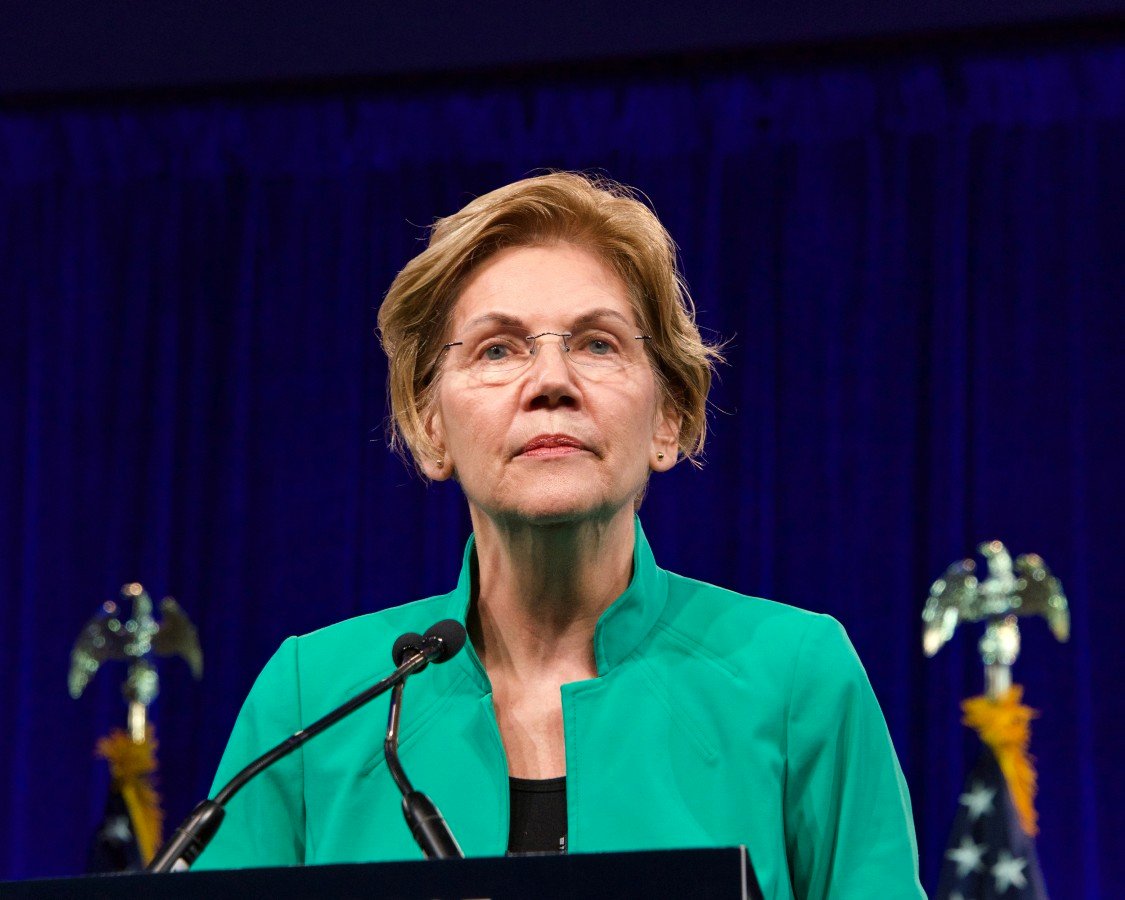
Sen. Elizabeth Warren is stepping up her criticism of President Donald Trump following his State of the Union address, in which she claimed his administration “ended” the affordability crisis. Warren argues these claims are disconnected from the reality facing American households and signals a broader push by Democrats ahead of the 2026 midterms.
Warren says affordability crisis remains unresolved
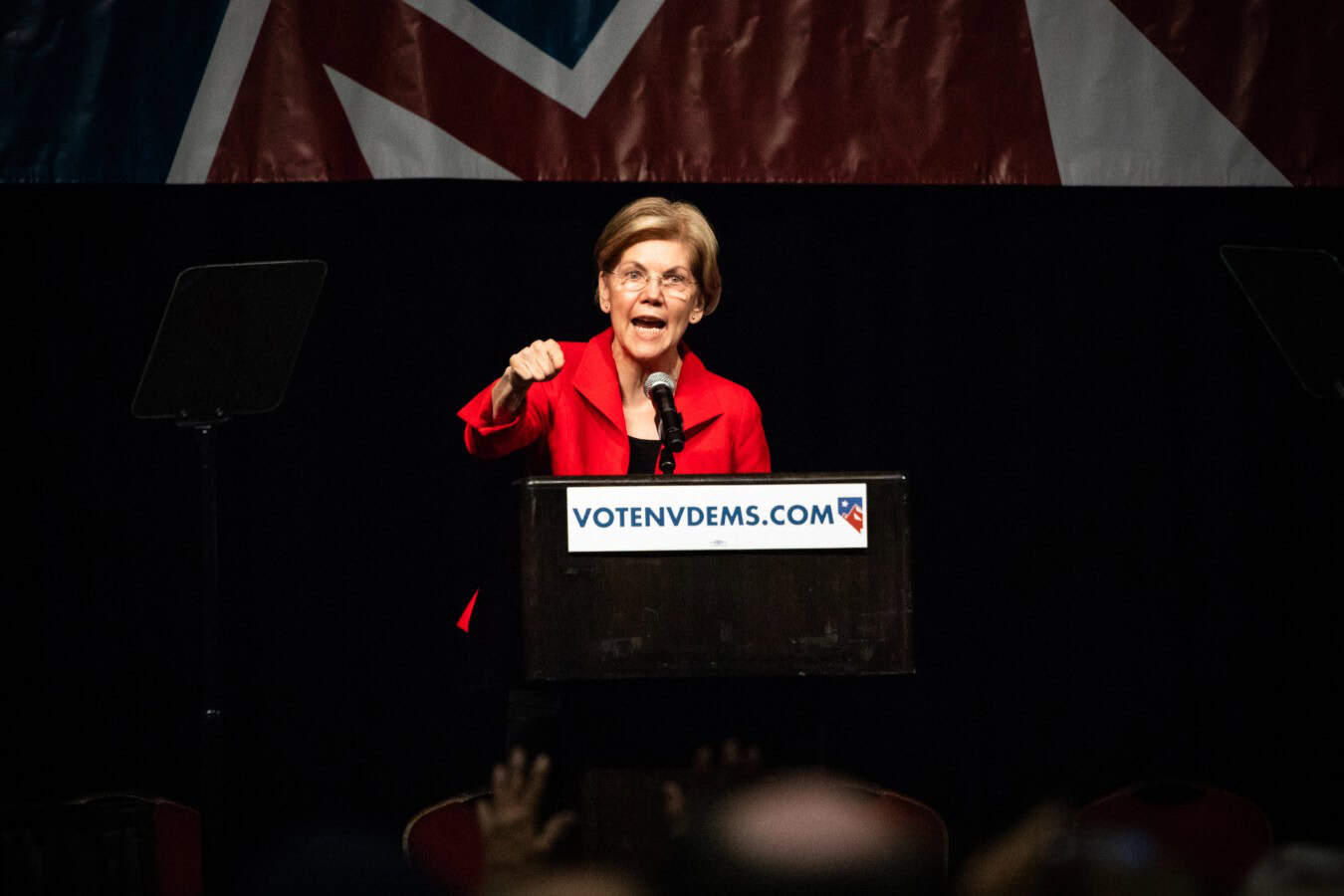
“Your claims directly contradict the daily experience of American households struggling with rising costs of basic needs, including food, housing, health care, child care, and electricity,” Warren wrote in a letter to Trump as the Ranking Member of the Senate Banking, Housing, and Urban Affairs Committee.
The letter underscores Democrats’ central argument: Even as inflation indicators cool, daily costs remain stubbornly high for most Americans.
“Despite your claims, you have not ‘solved’ affordability or ‘beat’ inflation. Instead, prices have skyrocketed for American households over the past year,” Warren wrote.
Warren, the top Democrat on the Senate Banking Committee, is positioning affordability as a defining issue heading into the 2026 election.
Democrats take advantage of affordability ahead of 2026 midterms
Warren’s letter marks what allies describe as the opening salvo of a broader Democratic strategy to challenge Republicans on cost-of-living issues. As Trump’s economic approval ratings decline, Democrats see an opportunity to frame the election around kitchen table concerns.
The Massachusetts senator made clear more action was coming, signaling a coordinated campaign to highlight economic pressures across the country.
Warren expands investigation to corporate America

Warren isn’t limiting her scrutiny to the White House. He also sent a letter to Amazon CEO Andy Jassy questioning the company’s role in rising prices and its transparency about tariff impacts.
His research reflects a broader effort to examine how corporate pricing decisions intersect with federal economic policy.
In her letter to Amazon, Warren criticized the company for being slow to acknowledge that Trump’s tariffs contributed to higher prices on the platform. He requested detailed information about pricing decisions, including how much the tariffs affect the increases and whether future increases are planned.
Warren also pressed the company on whether potential tariff rebates would be passed on to consumers.
Trump defended tariffs and economic agenda

During his State of the Union address, Trump defended his economic record and placed blame for affordability problems squarely on Democrats.
“You caused this problem,” the President said. “They knew that their statements were a dirty, rotten lie. Their policies created the high prices, our policies are quickly ending them.”
He also vowed to continue the tariffs through alternative legal mechanisms following setbacks in court.
Supreme Court decision complicates tariff strategy

A recent U.S. Supreme Court decision limited Trump’s authority to impose tariffs. In response, the president said the tariffs “will remain in force under fully approved and tested alternative legislation.”
This stance drew criticism from Warren, who argued that continued tariffs could trigger another wave of price increases.
Daily costs remain high despite falling inflation

While headline inflation has receded from pandemic-era highs, many underlying costs remain high. While grocery prices, housing costs and utility bills continue to strain household budgets, energy demand from data centers is also increasing pressure on utility costs.
Warren argues that these persistent increases contradict the administration’s claims of rapid recovery.
In her letter, Warren criticized Trump for spending limited time on economics and skipping important topics during his speech. He noted rising grocery bills, child care costs and the number of Americans losing health insurance because of areas left unaddressed.
“You failed to point out that American families will pay hundreds of dollars more on groceries in 2025,” he wrote. “You didn’t mention child care, which is ‘one of the biggest expenses families face.’”
Inflation trends and policy questions take center stage

Warren also noted recent inflation trends, noting that price growth is likely to start rising again in late 2025 after earlier declines. It demands detailed answers from management about what policies actually reduce costs and what steps are being taken to address ongoing price pressures.
His research focuses on basic household expenses such as food, electricity, healthcare and child care.
A broader campaign targeting tariffs and affordability
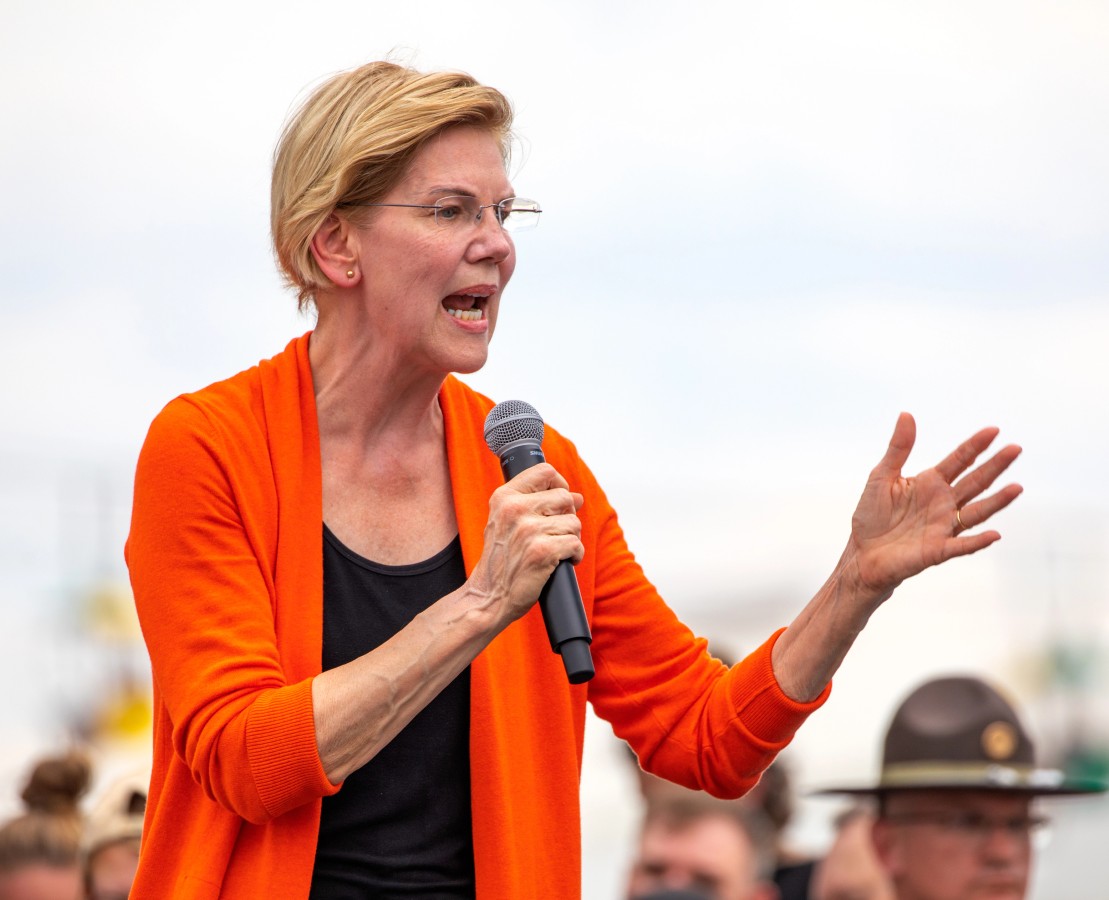
“In the coming weeks, I will be writing directly to Administration officials, companies, and industry representatives about your chaotic tariffs and failed economic policies — seeking answers for the American people who are being forced to pay more for everything from groceries to housing,” Warren said.
The effort points to a sustained campaign by Democrats to tie Trump’s tariff policies to higher consumer prices, making affordability a central battleground issue in the months leading up to the 2026 midterm elections.
Did you enjoy the Financial Freedom Countdown content? Be sure to follow us!
14 essential strategies to maximize your Social Security and avoid costly mistakes

Social Security is a vital lifeline for many seniors, providing significant income support during retirement. At a time when inflation is at its highest level in four decades, Social Security’s inflation-adjusted benefits provide protection against rising costs.
Rising interest rates have disrupted many retirement portfolios and caused bond fund values to decline. In this volatile financial environment, Social Security can stabilize a typical stock-bond retirement portfolio. By implementing smart strategies, retirees can maximize their Social Security benefits and ensure a more secure financial future.
14 Essential Strategies to Maximize Your Social Security and Avoid Costly Mistakes
11 reasons to claim Social Security early

Deciding when to claim Social Security is often about maximizing your benefits. Financial planners generally recommend delaying your request for as long as possible to secure the highest monthly payment. Your benefit is based on your lifetime earnings, with full payout available at your full retirement age (FRA); this age is currently between 66 and 67 years old, depending on your year of birth. Claiming before FRA will result in a permanent decrease in your monthly earnings, while waiting after FRA will result in a permanent increase. But the decision isn’t just about maximizing the monthly check. Personal factors such as health, family circumstances and financial needs can play an important role in determining the right time to make a claim.
11 Reasons to Apply for Social Security Early

Did you find this article helpful? We’d love to hear your thoughts! Leave a comment and share your thoughts in the box on the left side of the screen.
Also, would you like to be informed about our latest content?
1. Follow us by clicking the (+Follow) button above,
2. Give a Like to the article in the upper left corner of the screen.
3. And finally, if you think this information would benefit your friends and family, feel free to share it with them!

John Dealbreuin came to the United States from a third world country without knowing anyone and with only $1,000; Guided by an immigrant dream. He reached his retirement number in 12 years.
he started Financial Freedom Countdown helping everyone think differently about financial challenges and live their best life. John lives in the San Francisco Bay Area and enjoys hiking and weight training.
Here are the tools he recommends
Personal Capital: This is a free tool that John uses to keep track. net worth regularly and retirement planner. He also warns her about hidden fees and budget tracker including.
Platforms like Yield Street offer investment options art, legal, real estate, structured notes, venture capitaletc. They also have fixed income portfolios that span multiple asset classes with a single investment. Low minimums of $10,000.