

XRP trading has been slowing and becoming less volatile lately as speculation has dried up after several months of high activity. The decline in activity does not indicate that investors may lose confidence in XRP.
Instead, this decline may mean that investors are cautious and are waiting for stronger catalysts before investing new capital.
In March, XRP was trading at around $1.13. At the time, Binance’s 30-day volume Z-score was approximately 3.00, indicating that activity had exceeded the average over the same period.
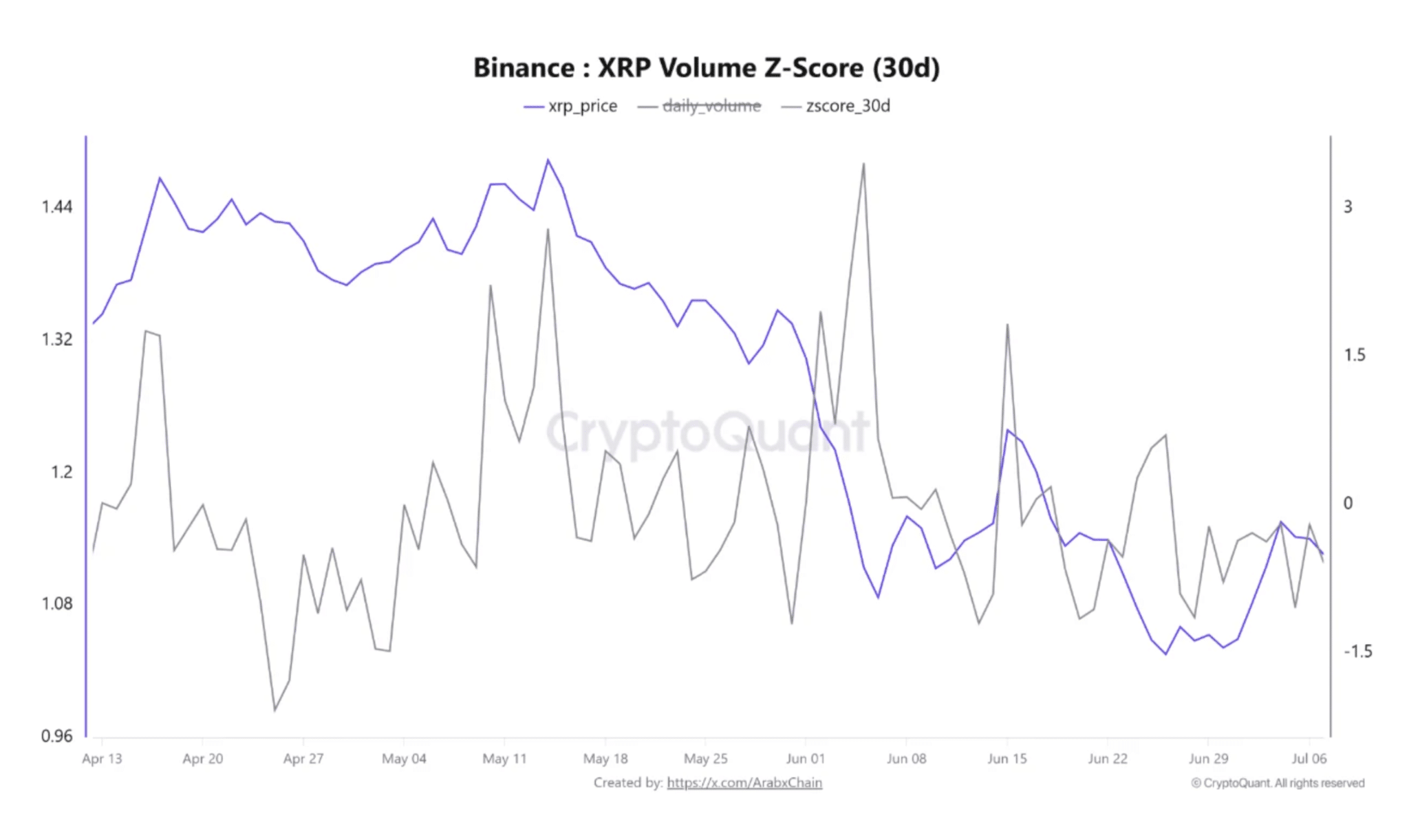
However, there have also been steady declines in participation levels and volatility since the end of March. This level of calm usually occurs before major directional movements in price.
either one XRP Breaks higher or lower will likely depend on the return of fresh liquidity and the restoration of stronger market belief among participants.
XRP liquidity rotates between exchanges
As Binance’s XRP activity cools, demand is increasingly shifting towards regional markets rather than decreasing entirely. Such a shift means that traders can redistribute liquidity as different investors react to changing market conditions.
At the time of writing, the altcoin was traded at approximately 1,616 KRW on the Upbit exchange. The price dropped from 1,673 KRW to an intraday low of 1,608 KRW. Simply put, sustained selling pressure was evident on the cryptocurrency’s price chart.
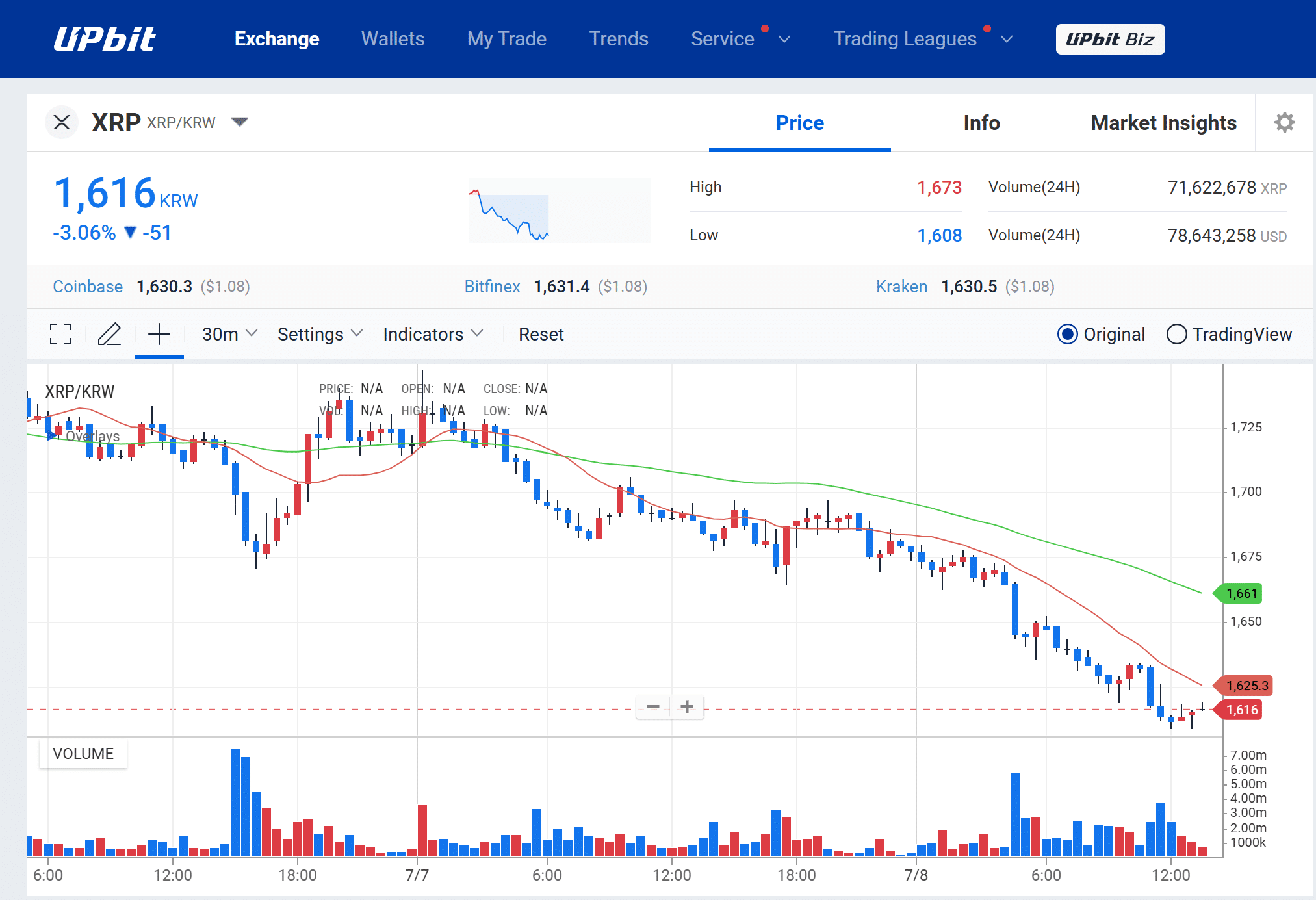
On the contrary, 24-hour volumes remained at 71.62 million XRP, or approximately $78.64 million. These figures indicate a strong level of active participation by investors.
Therefore, XRP could recover strongly if broader global demand joins this regional activity. Conversely, localized purchasing activity alone may struggle to reverse current market weakness.
Institutional custody strengthens XRP adoption
While regional exchanges supported the trading activity of the altcoin, the institutional infrastructure also expanded, strengthening the long-term market position of the altcoin.
For example – Clearstream recently announced that it will add XRP, along with six other cryptocurrencies, to the list of supported cryptocurrencies on its regulated custody platform based on Crypto Finance’s MiCA framework.
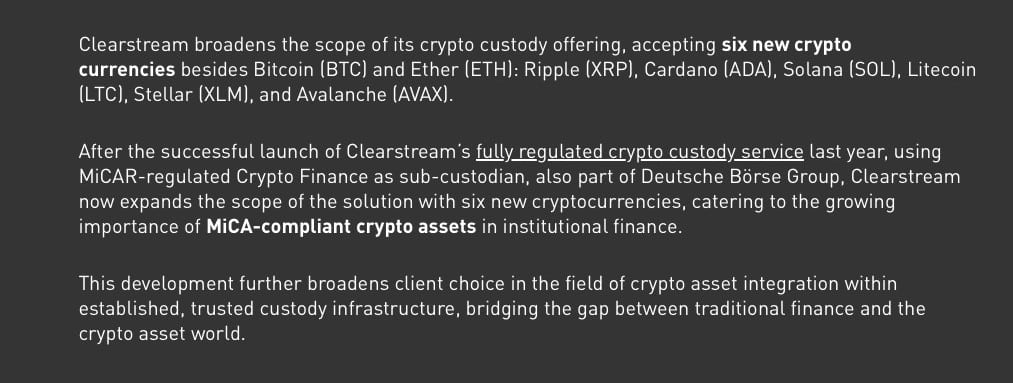
This update provides institutional investors with compliant access through a traditional post-trade platform, rather than simply using cryptocurrency custody services. As regulatory hurdles continue to decrease, so do the operational and counterparty risks of investing in XRP.
As a result, if adoption on regulated custody platforms continues to accelerate, XRP could attract broader institutional capital. It will also deepen market liquidity and strengthen its role in mainstream financial markets.
Final Summary
- XRPs Demand varies across markets as institutional infrastructure continues to drive long-term adoption.
- XRP now depends on renewed global liquidity to translate stronger institutional support into sustainable price momentum.



