

The federal student loan system is undergoing a major restructuring as the Treasury Department prepares to assume responsibility for collecting $179 billion in defaulted federal student loans owed by nearly 7.8 million borrowers. This shift is part of an interagency agreement between the Department of Education and the Treasury Department signed on March 19, 2026, marking one of the largest administrative transfers in the history of federal student loans.
Under Phase 1 of the agreement, the Treasury’s Fiscal Service Bureau will gradually take over servicing of defaulted loans through the Cross Servicing Program, which currently manages past-due loans for most federal agencies.
The agreement lays out a three-phase roadmap that could significantly expand Treasury’s role in administering federal student aid. While Phase 1 will focus on collecting defaulted loans, Phase 2 will involve paying off non-defaulted loans “to the extent practicable.” Phase 3 could even involve Treasury reviewing eligibility rules for federal aid, including FAFSA administration.
But the Congressional Research Service (CRS) report emphasizes that there is no defined timeline for any phase of the transition, leaving implementation open-ended and subject to future executive decisions.
Millions of borrowers affected by rise in defaults

Approximately 7.8 million borrowers as of December 31, 2025; approximately 18% of all federal student loan borrowers; They had defaulted on $179 billion in federally held debt. That figure marks a sharp increase from $117.3 billion just a quarter ago and underscores how quickly defaults rose as pandemic-era protections expired.
The CRS report notes that more borrowers are expected to default as repayment systems normalize and delinquent obligations continue to rise.
Why does the Ministry of Education distribute the collections?

The agencies argue the transfer is necessary because the Department of Education is “unequipped” to manage the size and complexity of the federal student loan portfolio. Treasury, by contrast, is described as having expertise in “managing highly complex financial and information technology systems” and collecting past-due federal debts.
The two departments already share overlapping infrastructure, including the Treasury Department Offset Program, which is used to block tax refunds and other federal payments from defaulted borrowers.
The Treasury Department’s Cross-Service Program currently manages approximately 1.9 million borrowers with $119.1 billion in debt. Taking away student loans would more than quadruple the caseload and add 7.8 million borrowers and $179 billion in debt.
The CRS report highlights that this expansion comes at a time when the Fiscal Service Bureau is losing nearly 40% of its workforce between September 2024 and February 2026, raising questions about operational capacity even before the transfer is fully implemented.
Collection pauses mask long-term portfolio distress

Federal student loan collections have been largely suspended since March 2020 due to pandemic relief measures and subsequent policy decisions. In January 2026, the Department of Education once again paused wage garnishments and Treasury write-offs while implementing repayment reforms tied to recent budget legislation.
The impact of the pause is clear in collections data: Federal recovery from defaulted loans dropped 91% from $6.56 billion in fiscal 2019 to just $560 million in fiscal 2025.
Track record raises concerns about effectiveness

Treasury has tried to manage student loan collections before, but with mixed results. A pilot program covering 16,242 delinquent loans in 2015 found that the Treasury’s Fiscal Service Bureau resolved 4.14% of loans, while private collection agencies contracted with the Department of Education resolved 5.46%.
The pilot attributed weaker results to delinquent wage garnishments, limited borrower access and a lack of dedicated student loan servicing tools, including self-service repayment portals.
The Treasury is expected to rely heavily on external contractors to manage the increased workload. In March 2026, the Fiscal Service Bureau issued a request seeking information from firms that may act as “default resolution agent” providers.
This approach reflects internal capacity concerns as the organization prepares to rapidly expand its operations while absorbing a portfolio many times larger than its current system.
What can defaulting debtors face when collections continue?

Although involuntary collections are currently paused, defaulting borrowers could eventually face wage garnishments of up to 15% of disposable income, a complete halt on federal tax refunds, and potential cuts to Social Security benefits when enforcement resumes.
Borrowers may also see increased administrative costs. The agreement allows the Treasury to charge collection fees of up to 20% of the total repayment burden, making default significantly more expensive than rehabilitation or repayment plans.
Political backlash and warnings from critics

The passage drew criticism from lawmakers, including Sen. Elizabeth Warren, who argued that Treasury “lacks expertise on the highly unique and complex federal student loan system” and may not have enough staff for the scale of the task.
Critics also warn that moving accounts between institutions could create confusion for borrowers and disrupt communication systems, especially at a time when many are struggling to re-enter repayment after years of collections being paused.
Despite the concerns, the CRS report notes one potential benefit: Starting July 1, 2027, borrowers will be allowed to rehabilitate their defaulted loans twice instead of once, giving defaulters a second chance.
Still, as collections continue in some form and responsibilities are handed over to the Treasury, millions of debtors may soon face a federal debt collection system that is more complex and centralized than ever before.
Did you enjoy the Financial Freedom Countdown content? Be sure to follow us!
14 essential strategies to maximize your Social Security and avoid costly mistakes
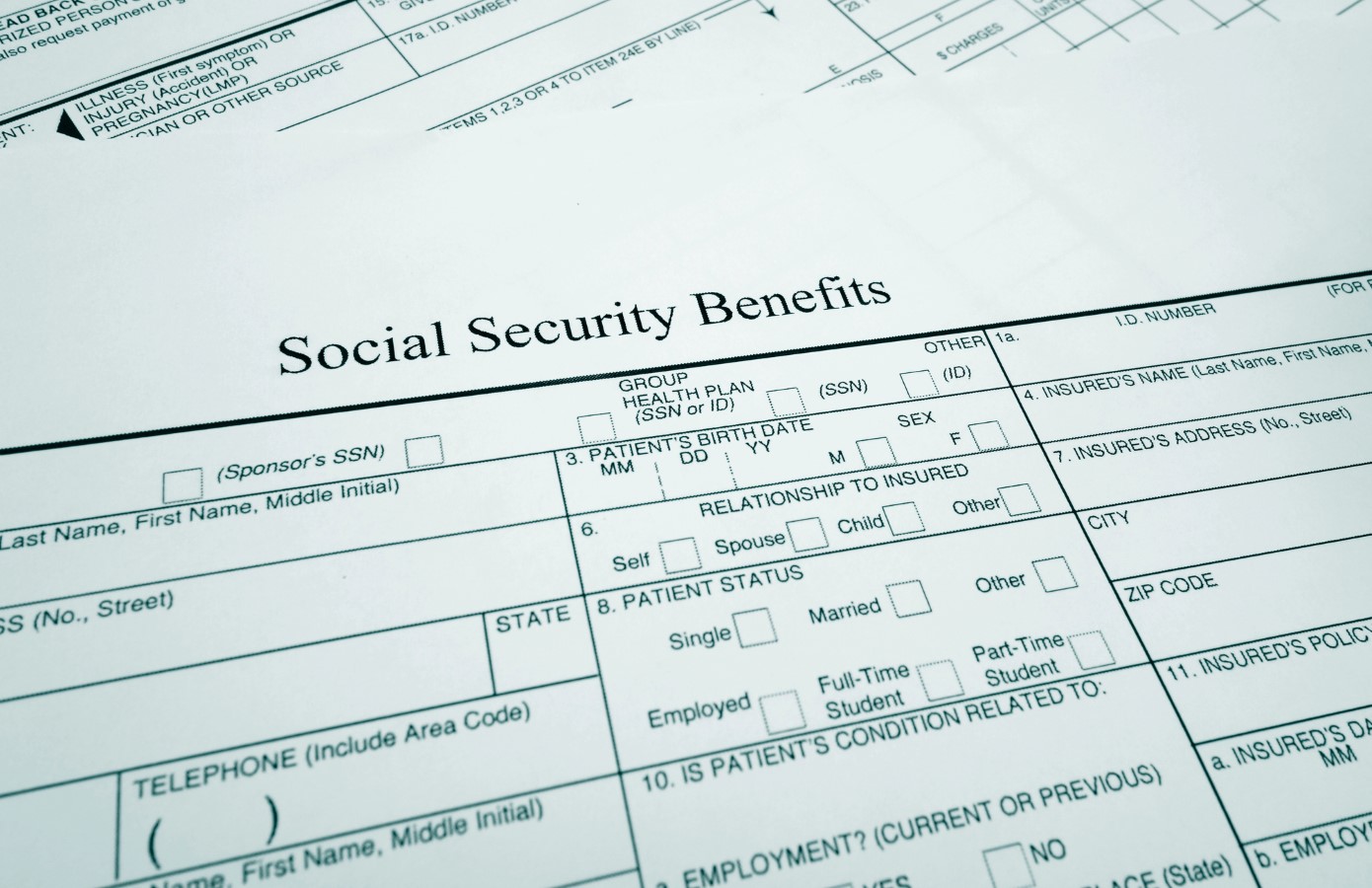
Social Security is a vital lifeline for many seniors, providing significant income support during retirement. At a time when inflation is at its highest level in four decades, Social Security’s inflation-adjusted benefits provide protection against rising costs.
Rising interest rates have disrupted many retirement portfolios and caused bond fund values to decline. In this volatile financial environment, Social Security can stabilize a typical stock-bond retirement portfolio. By implementing smart strategies, retirees can maximize their Social Security benefits and ensure a more secure financial future.
14 Essential Strategies to Maximize Your Social Security and Avoid Costly Mistakes
11 reasons to claim Social Security early

Deciding when to claim Social Security is often about maximizing your benefits. Financial planners generally recommend delaying your request for as long as possible to secure the highest monthly payment. Your benefit is based on your lifetime earnings, with full payout available at your full retirement age (FRA); this age is currently between 66 and 67 years old, depending on your year of birth. Claiming before FRA will result in a permanent decrease in your monthly earnings, while waiting after FRA will result in a permanent increase. But the decision isn’t just about maximizing the monthly check. Personal factors such as health, family circumstances and financial needs can play an important role in determining the right time to make a claim.
11 Reasons to Apply for Social Security Early

Did you find this article helpful? We’d love to hear your thoughts! Leave a comment and share your thoughts in the box on the left side of the screen.
Also, would you like to be informed about our latest content?
1. Follow us by clicking the (+Follow) button above,
2. Give a Like to the article in the upper left corner of the screen.
3. And finally, if you think this information would benefit your friends and family, feel free to share it with them!

John Dealbreuin came to the United States from a third world country without knowing anyone and with only $1,000; Guided by an immigrant dream. He reached his retirement number in 12 years.
he started Financial Freedom Countdown helping everyone think differently about financial challenges and live their best life. John lives in the San Francisco Bay Area and enjoys hiking and weight training.
Here are the tools he recommends
Personal Capital: This is a free tool that John uses to keep track. net worth regularly and retirement planner. He also warns her about hidden fees and budget tracker including.
Platforms like Yield Street offer investment options art, legal, real estate, structured notes, venture capitaletc. They also have fixed income portfolios that span multiple asset classes with a single investment. Low minimums of $10,000.