

The U.S. Department of Education has introduced a sweeping proposal that would hold colleges and universities accountable for the financial outcomes of their graduates. The plan, announced through a Notice of Proposed Rulemaking (NPRM) on April 17, aims to ensure that postsecondary programs provide measurable economic value to students and taxpayers. The rule is part of a broader effort to reform student aid under President Trump’s Working Families Tax Cuts Act.
Rising student debt raises urgency for reform

With the federal student loan portfolio approaching $1.7 trillion, policymakers are increasingly concerned that many students may not be getting a return on their education investments. The ministry highlighted that many graduates are left worse off financially than if they had never attended university, creating pressure for a “hard reset” in how higher education is assessed and financed.
At the heart of the proposal is a new “earnings test” that would require programs to show that their graduates earn more than similar individuals without the same level of education. This represents a significant expansion of accountability measures that build on existing Gainful Employment rules and apply more broadly across institutions and programs.
University programs face strict new thresholds

According to the proposed rule, undergraduate programs If typical graduates don’t earn more than high school graduates, they will lose access to federal student loans. This standard aims to ensure that a bachelor’s degree provides clear financial benefits, rather than leaving students burdened with debt and limited earning potential.
Graduate level programs will face similar scrutiny. To qualify for federal aid, graduates of these programs must prove they earn more than the average bachelor’s degree holder. The purpose of this provision is to ensure that advanced degrees provide a meaningful economic advantage.
Eligibility for federal aid tied directly to results

Programs that consistently fail to meet earnings criteria may lose eligibility not only for federal student loans but, in some cases, for Pell Grants. The department argues that taxpayer-funded aid should only support programs that provide students with a reliable return on investment.
“The Trump Administration’s proposed accountability framework is based on common sense: if postsecondary education programs do not leave graduates better off, taxpayers should not subsidize them,” said Undersecretary of Education Nicholas Kent.
“This consensus-based framework will lead to meaningful change in postsecondary education, ending years of regulatory crackdowns and addressing student debt that has left too many students worse off,” he added.
AHEAD Committee consensus shapes final proposal

The proposal is supported by consensus from the Higher Education Accountability and Demand-Driven Workforce Access Through Pell (AHEAD) Committee. This group; consists of representatives from higher education, business, legal aid and student communities; Following extensive negotiations earlier this year, a unified accountability framework was agreed.
The new framework will replace multiple overlapping accountability systems that vary by institution type and level of competence. By creating a single standard based on earnings outcomes, the Department aims to simplify compliance while providing consistent protection for students across all sectors of higher education.
Some education policy experts have long argued that federal aid should be tied to economic results. Recommendations from researchers and think tanks have suggested using “debt-to-earnings” metrics and labor market tracking to evaluate program effectiveness, arguing that such systems would encourage institutions to focus on return on investment and workforce fit.
Critics raise concerns about implementation difficulties

Despite broad support for accountability, critics warn that the proposal may not fully account for real-world complexities. Career Education Colleges and Universities, a group representing nonprofit schools, said the “proposal is a striking improvement over the current Gainful Employment rule” but that “the liability formula remains unresolved.”
CEO Jason Altmire, a former Democratic Congressman from Pennsylvania, listed “regional wage disparities, lack of distinction between part-time and full-time work, unreported income, gender pay disparities, and the age range of the comparison group” as issues that need to be addressed.
The NPRM will be open for public comment for 30 days, with submissions due through the Federal eRulemaking Portal by May 20, 2026. The department has indicated that it may revise the rule based on feedback before finalizing regulations; This marks a critical time for stakeholders to shape the future of federal student aid policy.
Did you enjoy the Financial Freedom Countdown content? Be sure to follow us!
14 essential strategies to maximize your Social Security and avoid costly mistakes
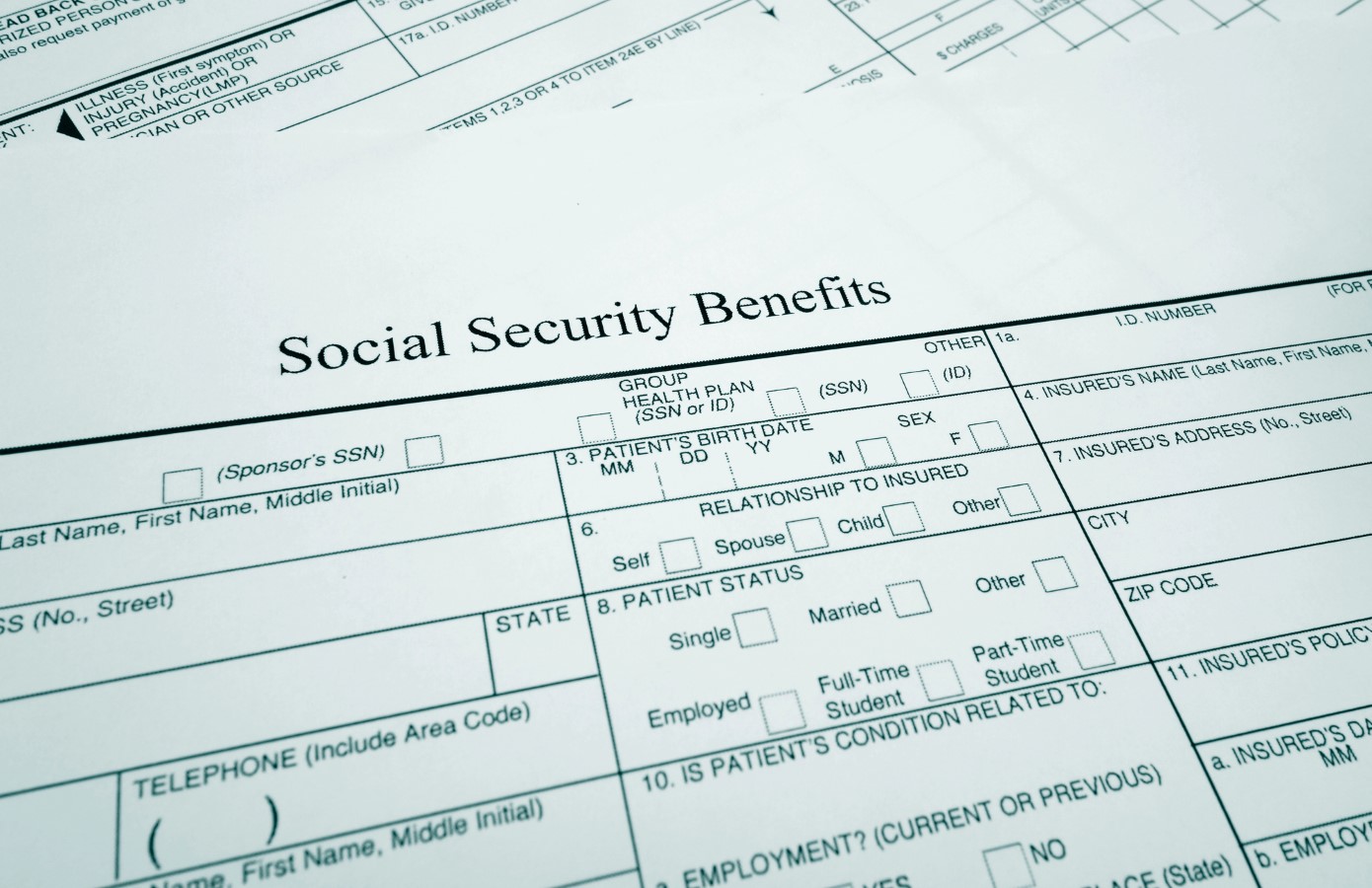
Social Security is a vital lifeline for many seniors, providing significant income support during retirement. At a time when inflation is at its highest level in four decades, Social Security’s inflation-adjusted benefits provide protection against rising costs.
Rising interest rates have disrupted many retirement portfolios and caused bond fund values to decline. In this volatile financial environment, Social Security can stabilize a typical stock-bond retirement portfolio. By implementing smart strategies, retirees can maximize their Social Security benefits and ensure a more secure financial future.
14 Essential Strategies to Maximize Your Social Security and Avoid Costly Mistakes
11 reasons to claim Social Security early

Deciding when to claim Social Security is often about maximizing your benefits. Financial planners generally recommend delaying your request for as long as possible to secure the highest monthly payment. Your benefit is based on your lifetime earnings, with full payout available at your full retirement age (FRA); this age is currently between 66 and 67 years old, depending on your year of birth. Claiming before FRA will result in a permanent decrease in your monthly earnings, while waiting after FRA will result in a permanent increase. But the decision isn’t just about maximizing the monthly check. Personal factors such as health, family circumstances and financial needs can play an important role in determining the right time to make a claim.
11 Reasons to Apply for Social Security Early

Did you find this article helpful? We’d love to hear your thoughts! Leave a comment and share your thoughts in the box on the left side of the screen.
Also, would you like to be informed about our latest content?
1. Follow us by clicking the (+Follow) button above,
2. Give a Like to the article in the upper left corner of the screen.
3. And finally, if you think this information would benefit your friends and family, feel free to share it with them!

John Dealbreuin came to the United States from a third world country without knowing anyone and with only $1,000; Guided by an immigrant dream. He reached his retirement number in 12 years.
he started Financial Freedom Countdown helping everyone think differently about financial challenges and live their best life. John lives in the San Francisco Bay Area and enjoys hiking and weight training.
Here are the tools he recommends
Personal Capital: This is a free tool that John uses to keep track. net worth regularly and retirement planner. He also warns her about hidden fees and budget tracker including.
Platforms like Yield Street offer investment options art, legal, real estate, structured notes, venture capitaletc. They also have fixed income portfolios that span multiple asset classes with a single investment. Low minimums of $10,000.