

U.S. tariff revenue fell more than $4 billion to $22.15 billion in March from $26.59 billion in February, according to the U.S. Treasury Department. The decline indicates a continuing decline in collections due to changing policies and legal uncertainty.
March marked the fifth consecutive monthly decline in tariff revenues. Collections are now almost 30% below the October peak of $31.35 billion, reflecting a broader weakening trend.
Donald Trump’s policy reversals weigh on collections

Part of the decline is due to Donald Trump’s decisions to reduce certain tariffs, including taxes on some food products, due to concerns about rising consumer prices.
Analysis from the Yale Budget Lab shows that tariffs are already impacting consumers. Estimates show the cost per household would be between $760 and $940 if the tariffs expire as planned, and as high as $1,200 to $1,500 if they are extended by Congress.
Supreme Court decision reshapes tariff strategy

A U.S. Supreme Court decision in February struck down tariffs imposed under emergency powers, forcing the administration to turn to a different legal framework.
Trump’s replacement tariffs; 10% global tax imposed under Article 122 of the Trade Act 1974; they are currently at the center of a high-stakes legal battle. The U.S. Court of International Trade began hearing arguments Friday over whether the president has the authority to impose tariffs without congressional approval.
Legal fight focuses on the definition of ‘balance of payments’

The case hinges on whether the U.S. trade deficit qualifies as the “balance of payments deficit,” which the law justifies as a reason for tariffs. Critics argue that the administration misinterpreted the law and ignored broader fiscal inflows that would offset trade imbalances.
“This is yet another case where the President invokes a statute to impose the tariffs he wants, limits be damned,” the states wrote in their court filing.
“The balance of payments crisis is a currency crisis that caused great concern when Congress enacted Section 122 but may no longer exist,” States added.
Governments and businesses are leading the challenges

The lawsuit is being filed by 24 Democratic-led states as well as small businesses including Burlap & Barrel and Basic Fun, the toy company behind brands like Tonka and Lincoln Logs. The coalition is led by states such as Oregon, Arizona, California and New York.
“When these tariffs were first announced last April, we made two promises: we would not raise our prices and we would not ask our partner farmers to absorb the costs,” Burlap & Barrel said. “One year later, we’re proud to say we kept those promises. This lawsuit is about preserving our ability to continue doing that.”
The legal fight has drawn support from a wide range of groups and former officials, including former Treasury Secretary Janet Yellen, the Cato Institute and Advancing American Freedom, founded by former Vice President Mike Pence.
“The tariffs collected even now are still illegal, and the importers who pay them are bracing for continued difficulties when they inevitably become entitled to refunds in the coming months,” supporters wrote in court papers.
The case is being heard by a three-judge panel on the U.S. Court of International Trade, which includes judges appointed by President Barack Obama and George W. Bush. Early indications are that the panel is closely examining the claims of both the administration and its detractors.
Huge budget deficit dwarfs tariff revenue

Although tariffs generate revenue, they are small compared to the federal budget deficit. The US recorded a deficit of $1.169 trillion in the first half of the fiscal year; This includes $164 billion in March alone; In the same period, customs duty collections of approximately 166 billion dollars were much higher.
Despite aggressive tariff policies, the U.S. trade deficit remained little changed, rising 5% in February and remaining close to levels seen in Trump’s “Independence Day” speech in April 2025.
The refund process is accelerated for invalid tariffs
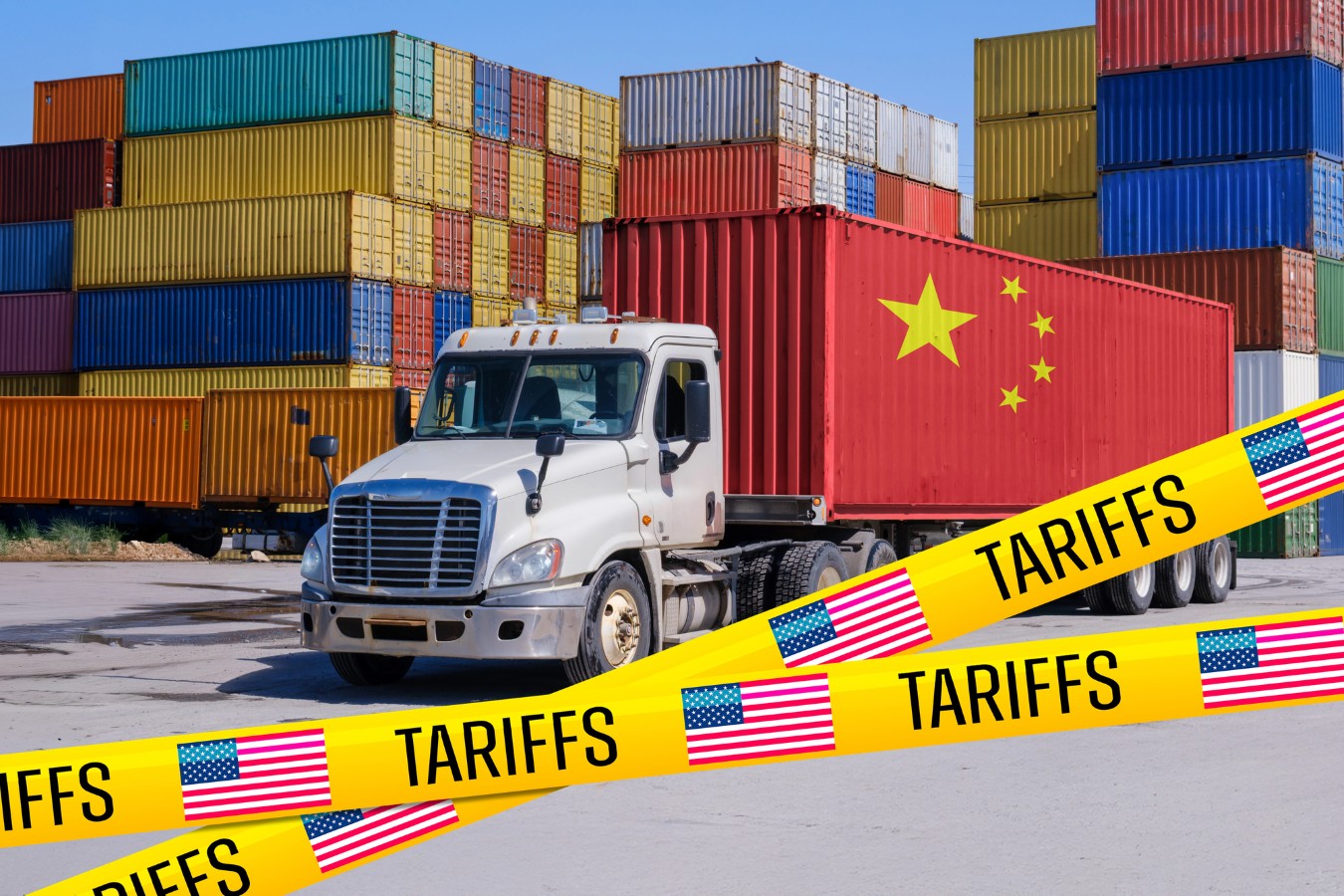
The government is pursuing plans to reinstate tariffs worth $166 billion that were invalidated by the Supreme Court. U.S. Customs and Border Protection is developing an automated system to handle the process.
Officials say the system is 60% to 85% complete and could be launched by April 20, initially covering about 63% of eligible claims.
Unexpected changes were also seen in the repayment process. Atmus Filtration, previously one of the lead plaintiffs representing the importers, withdrew from the case after being appointed to a leadership role by the court.
Uncertainty grows as tariffs end approaches
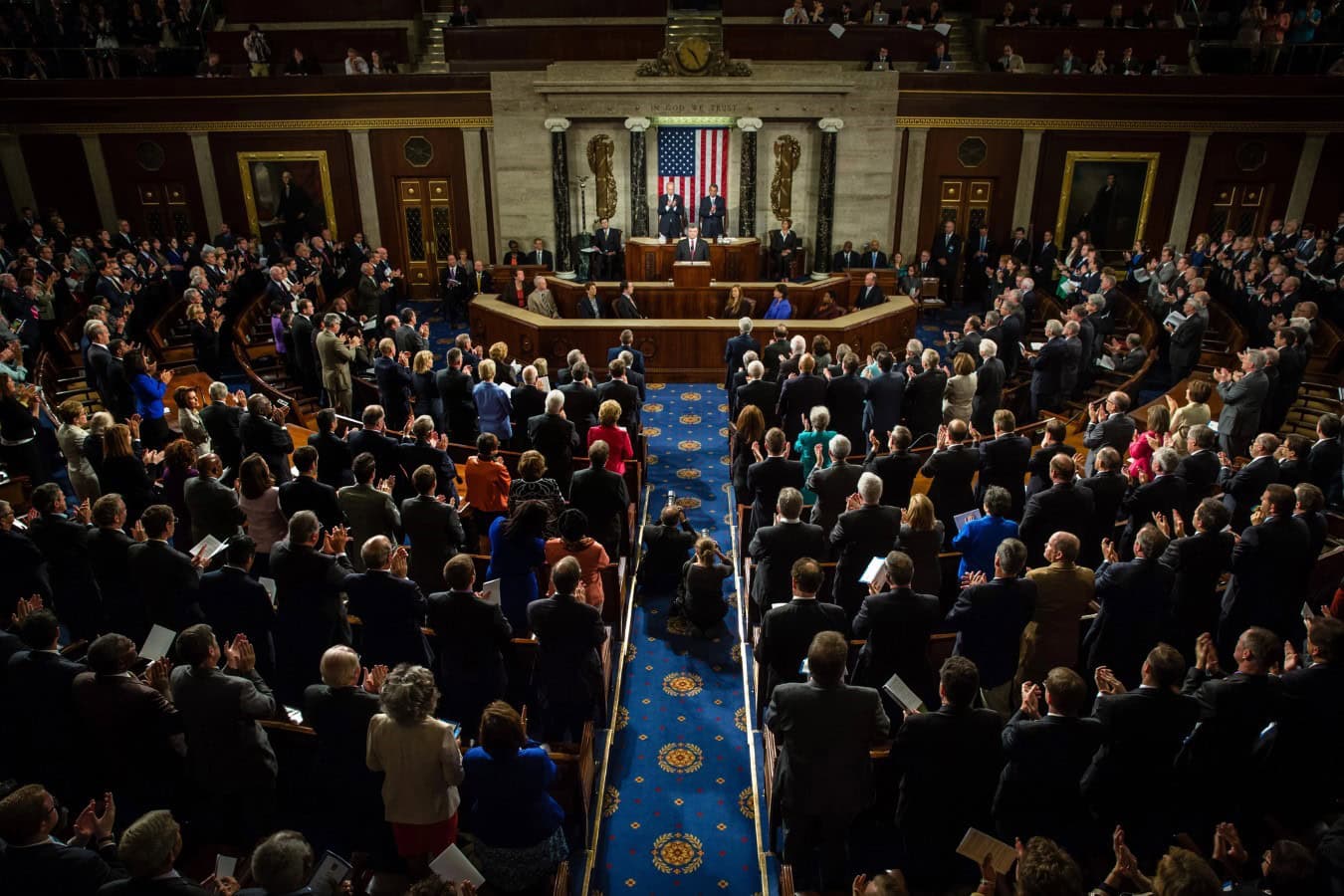
A new move in Congress is reviving the idea of “tariff cuts,” with lawmakers introducing multiple bills that could send hundreds, even thousands, of dollars to American households. The proposals come amid renewed debate over who will ultimately bear the cost of the tariffs and whether taxpayers deserve compensation.
The future of Trump’s trade strategy remains uncertain as the 150-day tariff window expires in July and the courts have yet to rule. The outcome of the legal battle will determine not only the fate of existing tariffs but also whether billions of dollars in repayments will be owed.
Did you enjoy the Financial Freedom Countdown content? Be sure to follow us!
14 essential strategies to maximize your Social Security and avoid costly mistakes

Social Security is a vital lifeline for many seniors, providing significant income support during retirement. At a time when inflation is at its highest level in four decades, Social Security’s inflation-adjusted benefits provide protection against rising costs.
Rising interest rates have disrupted many retirement portfolios and caused bond fund values to decline. In this volatile financial environment, Social Security can stabilize a typical stock-bond retirement portfolio. By implementing smart strategies, retirees can maximize their Social Security benefits and ensure a more secure financial future.
14 Essential Strategies to Maximize Your Social Security and Avoid Costly Mistakes
11 reasons to claim Social Security early

Deciding when to claim Social Security is often about maximizing your benefits. Financial planners generally recommend delaying your request for as long as possible to secure the highest monthly payment. Your benefit is based on your lifetime earnings, with full payout available at your full retirement age (FRA); this age is currently between 66 and 67 years old, depending on your year of birth. Claiming before FRA will result in a permanent decrease in your monthly earnings, while waiting after FRA will result in a permanent increase. But the decision isn’t just about maximizing the monthly check. Personal factors such as health, family circumstances and financial needs can play an important role in determining the right time to make a claim.
11 Reasons to Apply for Social Security Early

Did you find this article helpful? We’d love to hear your thoughts! Leave a comment and share your thoughts in the box on the left side of the screen.
Also, would you like to be informed about our latest content?
1. Follow us by clicking the (+Follow) button above,
2. Give a Like to the article in the upper left corner of the screen.
3. And finally, if you think this information would benefit your friends and family, feel free to share it with them!

John Dealbreuin came to the United States from a third world country without knowing anyone and with only $1,000; Guided by an immigrant dream. He reached his retirement number in 12 years.
he started Financial Freedom Countdown helping everyone think differently about financial challenges and live their best life. John lives in the San Francisco Bay Area and enjoys hiking and weight training.
Here are the tools he recommends
Personal Capital: This is a free tool that John uses to keep track. net worth regularly and retirement planner. He also warns her about hidden fees and budget tracker including.
Platforms like Yield Street offer investment options art, legal, real estate, structured notes, venture capitaletc. They also have fixed income portfolios that span multiple asset classes with a single investment. Low minimums of $10,000.