
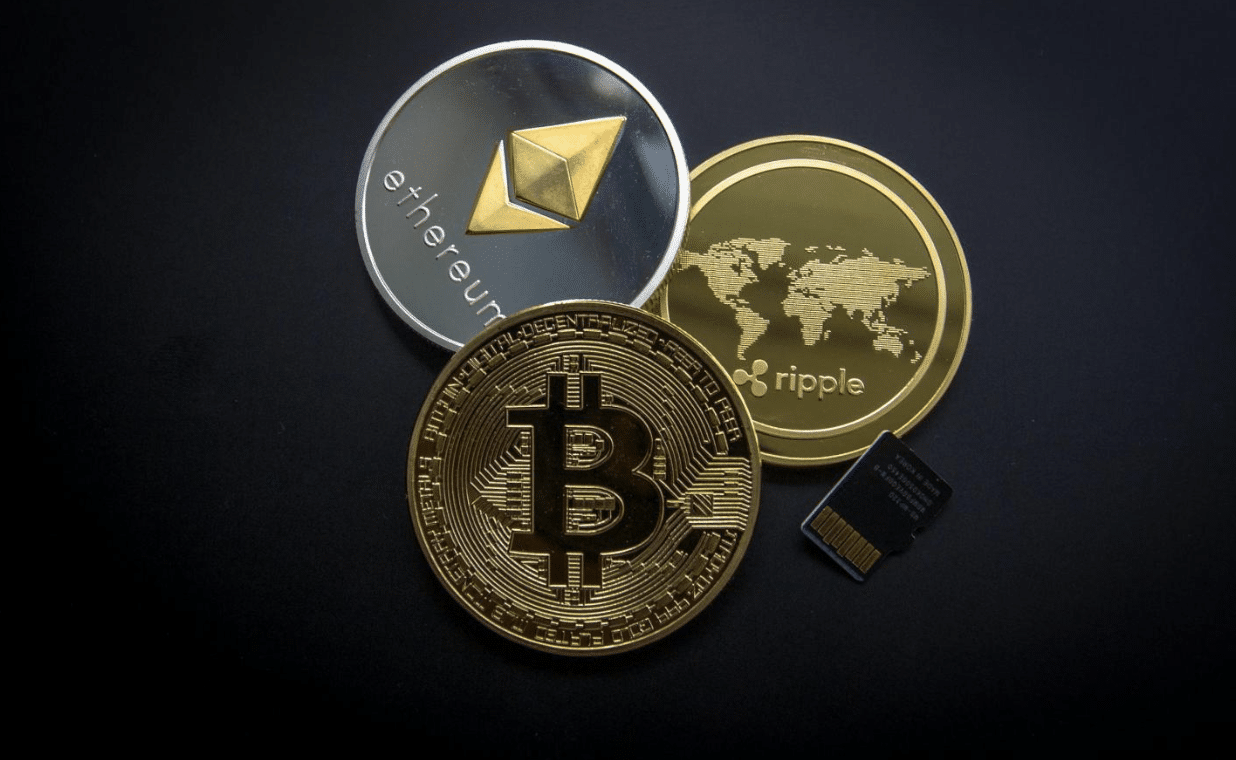
The global cryptocurrency market is poised to enter another turbulent phase. This raised questions about stability and risk among viewers who witnessed sudden changes in key assets.
Crypto prices today Bitcoin, Ethereum and other major coins are seeing rapid changes as markets respond to changing global factors. For casual followers of digital assets, these fluctuations may seem confusing. To understand these more clearly, it is useful to look at measurable trends rather than relying on headlines.
What’s behind the sudden market turbulence?
The final stage of volatility stems from changing perceptions and changing behavior. Below are the latest statistics explaining the extent of the trend.
As Monthly Market Insights reported on June 30, 2025, the value of the global cryptocurrency market increased by 10.3% in May 2025 after initially undergoing several drastic changes earlier in the month.
In case the reader is wondering why digital assets are so prone to sudden reactions, it may mainly have to do with the speed at which information reaches the industry. From technology updates to macroeconomic indicators, market information is received in real time.
Unlike traditional systems with set opening hours, digital Markets constantly adapt by integrating new information and accelerating the pace of change.
Trade activity remains high despite pressure
Volatility often intensifies when trading activity remains high. Independent industry data from the beginning of 2025 has consistently shown that the leading global exchange has a dominant share of worldwide spot trading volume, often exceeding 30%.
This scale encourages rapid reactions, with market prices adjusting within seconds when buying or selling pressure occurs.
High liquidity creates both opportunity and uncertainty. When thousands of transactions occur every second across multiple regions, the combined flow of orders affects pricing more sharply than in slower markets. Data libraries that track real-time orders, past transactions, and market depth highlight how quickly these reactions occur.
In a broader industry commentary on November 21, 2025, Richard Teng noted: “As with any asset class, there are always different cycles and fluctuations. What you’re seeing is not just happening in crypto prices. Any consolidation is actually healthy for the industry, for the industry to take a breather, to get back on its feet.”
This view aligns with recent market data trends and highlights that digital assets go through clear phases of growth and decline.
What you need to focus on during volatile periods
If such changes are too much to accept, the following key indicators will help clarify the issue. These are often what readers look for when determining whether what’s going on is part of a long-term or short-term reaction.
- Transaction volume. High volume is often a sign of increased attention or rapid repositioning.
- Short-term momentum compared to long-term trends. Many assets are recovering from sharp pullbacks.
- Timing of big moves. Price fluctuations often occur in response to global financial news, technological developments or the release of macroeconomic data.
These points provide context when dramatic changes appear in the news. They help distinguish meaningful actions from reactions caused by immediate emotions.
Why do digital assets react so quickly?
Digital asset markets are designed to operate at high speeds. Public data libraries contain order book details for assets of various sizes, allowing orders to be tracked. number of transactions It accumulates at every price. If the order book is thin, medium volume trades may turn out to have a more significant impact on prices.
This is more evident when considering mid-tier tokens.
Because these types of markets operate continuously, any event occurring anywhere in the world can trigger rapid action, linking technology news, economic developments and unexpected financial events.
While this dynamic may be attractive to some audiences, it is also what creates the unpredictability of digital assets.
Knowledge of this type of architecture is crucial to understanding why the industry has been able to adapt so quickly. Digital markets were created for instant collection of global information.
How to read market signals without getting lost?
If you follow digital assets to understand broader trends in finance, certain indicators remain reliable guides:
- Liquidity conditions. Deep liquidity supports smoother market movement.
- Global macro trends. Inflation changes, currency performance and economic uncertainty affect asset flows.
- Cross-market performance. When traditional risk assets move sharply, digital markets often follow.
- Transparency of data. Structured data sets help determine whether pricing changes indicate ongoing trends or temporary reactions.
These indicators help understand market movements without the need for guesswork. They provide a reliable method to track how digital assets react to changing financial environments.
All in all
Digital assets are gaining renewed attention due to their advantages of rapid execution, transparency and global accessibility. These are the reasons why it is often difficult to keep up with rapid market movements.
Increasing trading volumes, market sentiment and global pressures are also contributing to the volatility currently observed among top cryptocurrencies.
The important distinction for the average investor is between long- and short-term moves. Market evidence confirms that volatility is a fundamental feature of digital assets and dramatic changes are often associated with periods of financial turbulence.
Understanding what’s driving cryptocurrency prices today will help you follow the news with more confidence. Paying attention to regular patterns, rather than finding yourself reacting to every fluctuation, will make following the market much easier.
This gives an insight into how the fast-paced industry is connected to the global economy.
Disclaimer: This is a paid post and should not be considered news/advice.